At Prosub, we are more than just a supplier; we are your strategic partner in the heat transfer industry. As a leading manufacturer specializing in premium sublimation blanks and state-of-the-art heat press machinery, Prosub has built a reputation for consistency, innovation, and unrivaled durability. Whether you are scaling an e-commerce empire or launching a boutique custom shop, our mission is to provide the high-performance tools and materials that turn creative visions into professional-grade products.
In the booming world of personalized accessories, sublimation printing has emerged as the gold standard for creating vibrant, durable, and high-quality custom phone cases. If you are a business owner looking to stock new inventory, you’ve likely encountered two primary options: 2D Sublimation and 3D Sublimation.
While they might sound similar, the technical processes, aesthetic outcomes, and equipment requirements are vastly different. Choosing the right one is critical for your brand positioning. This comprehensive guide explores the nuances between 2D and 3D sublimation phone cases to help you decide which path fits your business.
1. Understanding the Fundamentals: What is Sublimation?
Before diving into the differences, it is essential to understand the core technology. Sublimation is a chemical process where solids (ink on paper) turn into gas without passing through a liquid state. Under intense heat and pressure, the ink permeates the pores of a polymer-coated surface or a plastic substrate. Once cooled, the ink turns back into a solid, becoming a permanent part of the material.
The result? A design that won’t peel, crack, or fade. At Prosub, we ensure all our blanks feature a high-density polymer coating that maximizes ink absorption for the most vivid color reproduction in the industry.
2. 2D Sublimation Phone Cases: The Versatile Classic
2D sublimation is often referred to as “flat” sublimation. It is the most common entry point for custom phone case businesses due to its simplicity and lower cost of entry.
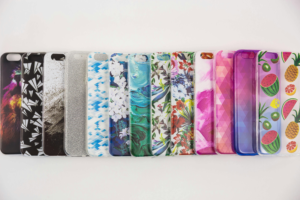
How It Works
A 2D sublimation case consists of two separate parts:
The Case Body: Usually made of PC (polycarbonate), TPU (thermoplastic polyurethane), or a hybrid “Tough Case” design.
The Insert: A flat aluminum or glass sheet with a sublimation coating.
You print your design onto sublimation paper, heat press it onto the flat insert, and then peel off the adhesive backing on the case to bond the insert into a recessed area on the back of the case.
3. 3D Sublimation Phone Cases: The Premium Evolution
3D sublimation, often called “wrap-around” printing, is the high-end alternative. It allows the design to flow seamlessly from the back of the case over the edges and all the way to the screen’s bezel.
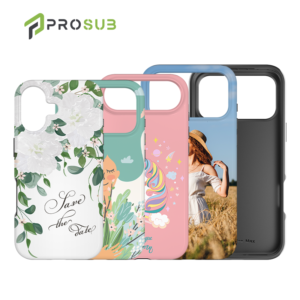
How It Works
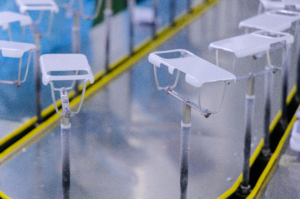
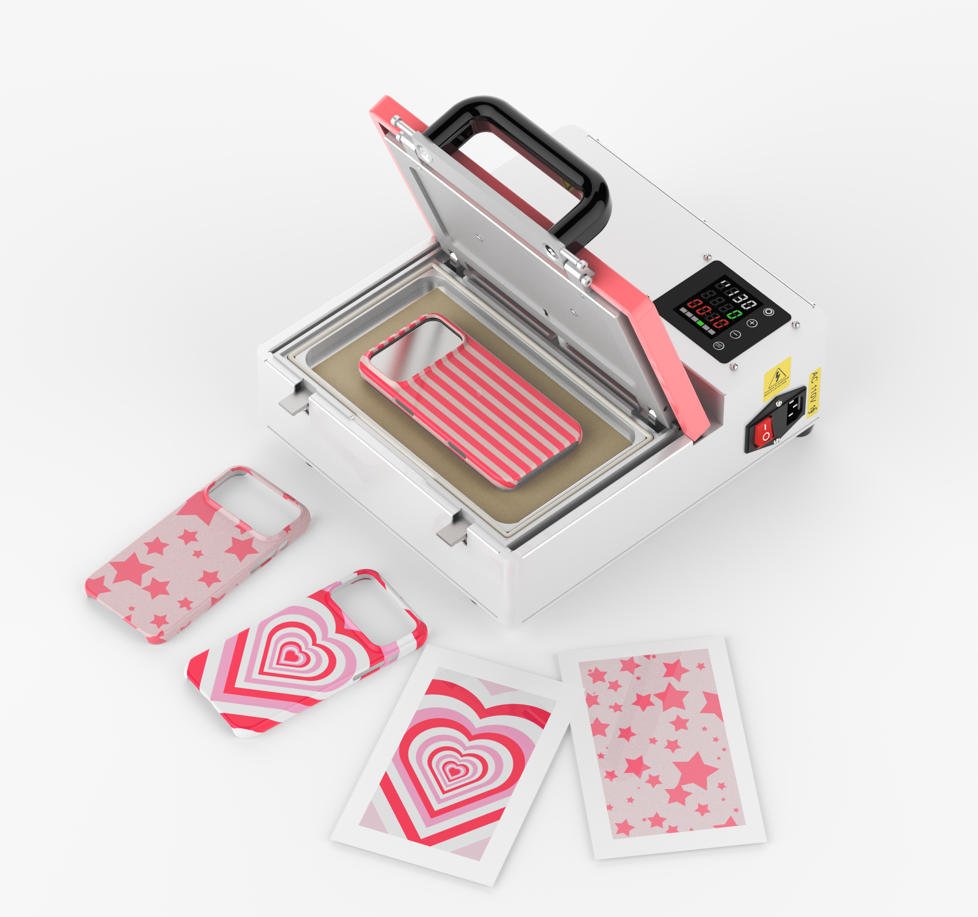
Unlike 2D, there is no metal insert. The design is printed directly onto the entire surface of the case body itself.The case is made of a specialized, heat-resistant grade of Polycarbonate.The case is placed onto a Prosub Precision Metal Jig (mold) to prevent it from warping or shrinking under high heat.A vacuum heat press (like the Prosub 3D Vacuum Master) sucks a specialized film or paper tightly around the curves, ensuring the ink transfers to every corner.
4. Key Comparative Analysis: 2D vs. 3D Sublimation
To help you strategize your inventory, let’s break down the technical and aesthetic differences in detail:
Printing Coverage and Visual Presentation
The most visible difference lies in the coverage. 2D Sublimation is strictly limited to the back surface of the phone; the sides remain the base color of the case, usually black or clear. This creates a “window” or “stuck-on” look, which works well for clean photography.
In contrast, 3D Sublimation offers full wrap-around coverage, allowing your artwork to extend over the edges and corners for a seamless look. This provides a high-end “designer” feel, where the case looks like it was manufactured with the pattern integrated into the material itself.
Component Structure and Materials
A 2D case is an assembly of two parts: a blank case and a printable metal or plastic insert. Conversely, a 3D case is a single-piece unit made of specialized polymer that acts as both the protective shell and the printing canvas.
Machinery and Tooling Requirements
2D printing utilizes a standard flat heat press, making it highly accessible and requiring no extra tooling.
3D printing requires a specialized 3D Vacuum Heat Press. Additionally, 3D printing necessitates the use of model-specific metal cooling jigs (molds) to maintain the case’s shape during the heating process.
Production Workflow and Efficiency
The production speed and steps vary significantly between the two methods:
The 2D Production Process:
Speed: Offers superior production speed, with pressing times often under 60 seconds per unit.
Step 1: Print the design onto standard sublimation paper.
Step 2: Place the paper onto the metal or plastic insert and heat press it using the flat press.
Step 3: Once the insert is printed and cooled, peel the adhesive backing on the blank case and permanently bond the insert into the recessed area.
The 3D Production Process:
Speed: Requires a more patient approach, typically taking between 3 to 7 minutes to complete a cycle due to the vacuum and cooling requirements.
Step 1: Insert the model-specific metal cooling jig into the 3D polymer case to prevent warping.
Step 2: Wrap the case with 3D sublimation film or specialized paper.
Step 3: Place the assembly into the 3D Vacuum Heat Press, where vacuum pressure forces the film to contour to the edges and corners.
Step 4: After the heating cycle, the case must remain on the metal jig until fully cooled to ensure a perfect fit for the phone.
5. Which One Should You Choose for Your Business?
Choose 2D Sublimation If:
You are a startup looking for a low-risk entry into the market with minimal equipment investment.
You prioritize impact protection and want to sell “tough cases” with rubber liners.
You handle bulk corporate orders where speed and cost-efficiency are the primary goals.
Choose 3D Sublimation If:
You are targeting the luxury or fashion market where visual impact is the top priority.
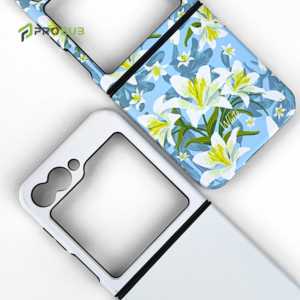
You want to sell seamless patterns like marble, florals, or abstract art that require edge-to-edge printing.
You want your products to match the quality and “shelf-presence” of high-end retail brands.
6.Why Choose Prosub for Your Sublimation Journey?
Choosing between 2D and 3D is only the first step; the second is choosing a supplier who won’t let you down. At Prosub, we differentiate ourselves through three core pillars:
Unmatched Coating Quality: Our proprietary “Ultra-Vivid” coating on both 2D inserts and 3D blanks ensures that your blacks are deeper and your colors are more vibrant than the competition.
Precision Engineering: Our 3D vacuum machines and cooling jigs are engineered to 0.1mm tolerances. This means no more warped cases or ill-fitting buttons—just a perfect fit, every time.
Global Supply Chain Reliability: We understand that “out of stock” means “out of business” for you. Prosub maintains a massive inventory of blanks for the latest iPhone, Samsung models, ensuring you’re always first to market.
Elevate your production with Prosub. Whether you need the rugged reliability of our 2D hybrid cases or the breathtaking finish of our 3D wrap-around blanks, we provide the technical support and premium materials you need to succeed.
Explore the Prosub Collection Today. Contact our team for wholesale pricing on 3D Vacuum Machines, Flat Presses, and our industry-leading phone case blanks.