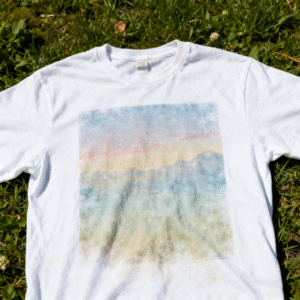
Imagine this: You’ve just finished designing the perfect graphic for a custom T-shirt. You hit print, press it with excitement, and… the colors are dull, the edges are blurry, and there’s a faint paper line running across your masterpiece. Sound familiar? If you’re diving into dye sublimation printing, choosing the wrong transfer medium can turn your creative vision into a crafting nightmare.
Dye sublimation has exploded in popularity among crafters, small business owners, and custom merchandise creators. It delivers vibrant, wash-fast, and professional-grade prints on everything from apparel to mugs. But here’s the catch: not all sublimation media are created equal.
While both sublimation paper and sublimation film enable the magic of gas-infused ink bonding, they differ dramatically in composition, application, durability, and results. In this guide, we’ll break down the differences so you can choose the right tool for your next project—and avoid those heartbreaking print fails.
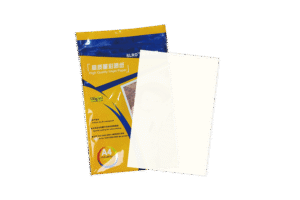
What is Sublimation Paper?
Sublimation paper is the top choice for beginners and anyone focused on textiles. It’s a thin, polymer-coated sheet made specifically for inkjet printers using sublimation inks.
Key Features:
- Base Material: High-quality paper with a special coating that holds ink on the surface.
- Common Sizes: “A3″, “A4″, or large rolls for wide-format printers.
- How It Works: Sublimation ink is printed onto the coated side. When heat and pressure are applied (typically 180°C-230℃)for 45–60 seconds), the ink turns into gas and permeates polyester fibers or polymer-coated surfaces.
What is 3D Sublimation Film?
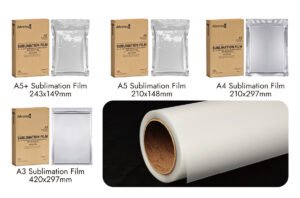
3D sublimation film is a specialized type of heat transfer material, typically made from PET film, designed for dye-sublimation printing on curved or three-dimensional objects. Unlike standard flat sublimation paper, this film is engineered for elasticity and adhesion to irregular surfaces, allowing for full-wrap, distortion-free transfers. lt’s commonly used with 3D vacuum heat press machines to apply vibrant, durable designs that can withstand washing and daily use. The process involves printing a mirror image onto the film with sublimation inks, then using heat (around 130°C-140°C)and vacuum pressure to transfer the dye into coated substrates like polymers or ceramics.
Key Features:
- Zero-deformation printing: Maintains image integrity on complex shapes without stretching or
- Vibrant and long-lasting results: Produces high-resolution colors that bond at a molecular level for fade resistance.
- Versatility: Suitable for small-scale custom production, ideal for e-commerce or personalization
- How It Works: Ink is printed onto the sublimation film, then transferred via heat press. The plastic acts as a carrier, allowing sharp transfers onto hard surfaces like metal, acrylic, or glass.
Key Differences Across Multiple Dimensions
Material Composition
Sublimation Paper:
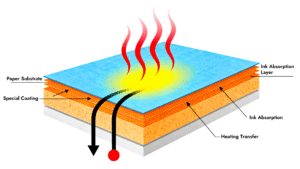
Sublimation paper is typically made from a high-quality paper substrate coated with a special layer that holds sublimation inks. The coating helps absorb and release the ink efficiently when exposed to heat. The paper’s composition allows for quick and smooth ink transfer, making it suitable for most standard sublimation applications.
Sublimation Film:
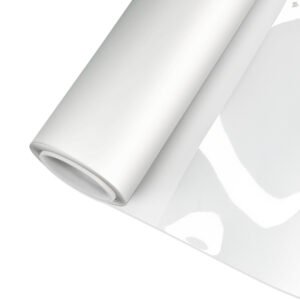
Sublimation film is a plastic-based material, usually made from polyester or similar synthetic materials, which is coated with a special sublimation coating. This coating allows the film to accept sublimation dyes and transfer the images to surfaces more effectively than paper in some cases. The film is more flexible, durable, and resistant to wear and tear compared to paper.
Print Quality
Sublimation Paper:
Sublimation paper is known for producing crisp, vibrant, and high-quality prints. Since the paper has a highly absorbent coating, it holds the ink well, which allows for sharp details and vibrant color reproduction. The paper’s smooth surface aids in even ink distribution, making it ideal for fine-line detail and vibrant color transfer.
Sublimation Film:
Sublimation film also produces high-quality prints, but it is more suitable for transferring images onto harder, non-porous surfaces such as metals, plastics, or ceramics. The smooth surface of the film allows for detailed image transfer, but it might not capture the same sharpness and brightness as sublimation paper when printing onto fabric or soft surfaces.
Durability and Flexibility
Sublimation Paper:
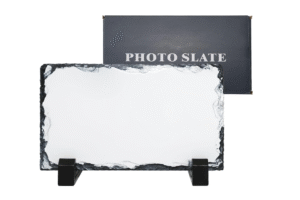
Best used for transferring designs onto fabrics, T-shirts, mugs, photo panels, and other porous or semi-porous materials. It’s a go-to material for most sublimation printers due to its ease of use and excellent results when paired with heat presses.
Sublimation Film:
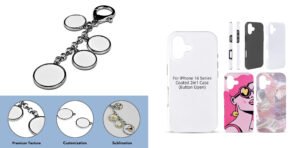
Preferred for specialized applications, such as transferring designs to hard goods like keychains, phone cases, and promotional items. Film’s flexibility and durability make it ideal for use with non-porous materials that are difficult to sublimate using paper.
Different Machine
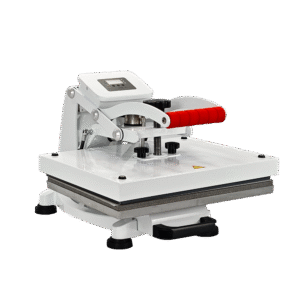
Sublimation Paper:Heat Press Machine
It is a planar heating and pressurizing device that uses two parallel hot plates (flat-press-flat structure) to bond, transfer, or shape materials under high temperature and pressure. It is widely used in sublimation transfer , hot stamping, hot stamping, in-mold decoration (IMD), leather embossing, and other processes.The process is straightforward, focusing on precision and temperature control, ideal for small-batch industrial printing.
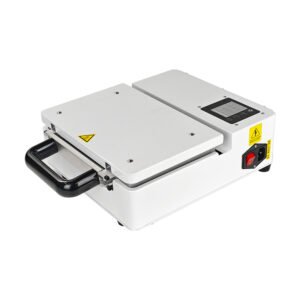
Sublimation Film: Vacuum Sublimation Machine
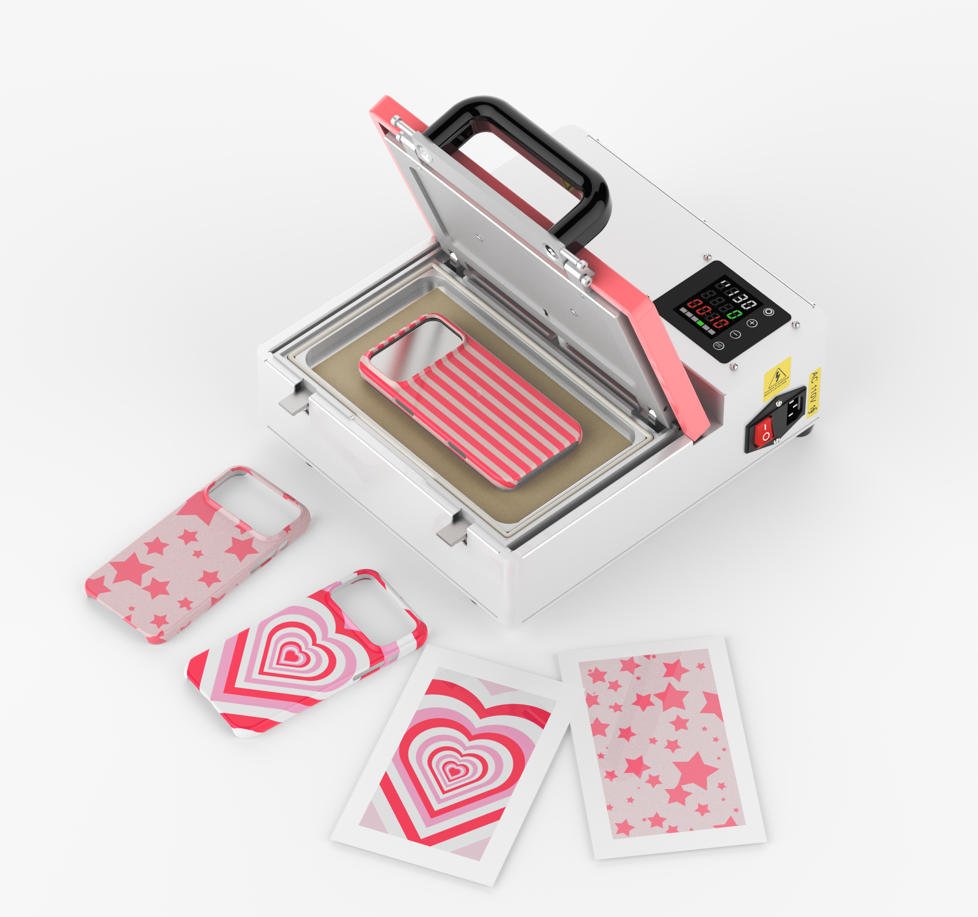
A 3D Vacuum Sublimation Machine is a specialized heat press device used in sublimation printing. It combines vacuum technology with heat transfer to apply full-color, high-resolution designs onto curved or irregular 3D surfaces, ensuring even pressure and wrap-around coverage. Unlike traditional flatbed heat presses, the vacuum pulls the substrate (like a phone case or mug) tightly against a flexible transfer sheet, preventing air bubbles and achieving vibrant, durable prints that follow the object’s contours.
Application And Use Cases
Sublimation Paper:
Sublimation paper is mainly used for transferring designs onto fabrics, t-shirts, mugs, photo panels, and other porous or semi-porous substrates. It is the go-to material for most sublimation machines because of its ease of use and excellent results when paired with heat presses.
Sublimation Film:
Sublimation Film (also called 3D sublimation transfer film) is a flexible, heat-activated polymer sheet or roll pre-printed with sublimation ink designs. It is used exclusively with vacuum sublimation machines to transfer full-wrap, full-color images onto curved, irregular, or 3D-shaped objects (like phone cases, mugs, bottles, or ornaments) in a single press cycle.
Unlike sublimation paper (used with flat heat presses), sublimation film is engineered to stretch, conform, and wrap around complex shapes under vacuum pressure and heat, ensuring no gaps, overlaps, or white creases.
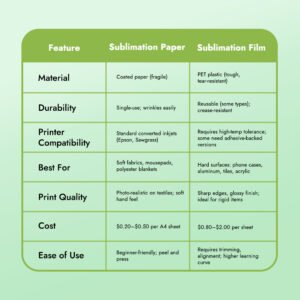
Heat Transfer Parameters
Sublimation Film: Requires lower temperature (130–180°C) and shorter time (15–30 seconds) in most cases.
Sublimation Paper: Needs higher temperature (180–200°C) and longer time (45–90 seconds) to ensure full ink penetration.
Cost And Efficiency
Sublimation Paper:
Sublimation paper is generally more affordable and widely available. It is designed for high-volume production and is optimized for efficiency in most sublimation printing systems. However, it is used only once for each transfer, which may increase costs when large quantities are needed.
Sublimation Film:
Sublimation film tends to be more expensive compared to paper, but it can be used multiple times, which makes it a more cost-effective option in certain industries. It is often used for bulk production of hard goods and is a good choice for those requiring durability and high-quality transfers over time.
Environment Impact
Sublimation Paper:
Sublimation paper, being made primarily from paper, is biodegradable and more environmentally friendly than plastic-based materials. However, the ink used in sublimation transfer can still pose an environmental challenge, as the chemicals in some dyes may not be fully eco-friendly.
Sublimation Film:
Sublimation film is not biodegradable due to its plastic base. It takes longer to break down and may have a larger environmental impact if not properly disposed of or recycled. This is an important consideration for businesses aiming to minimize their environmental footprint.
Practical Tips and Best Practices
How to Sublimate Rock Slate With Sublimation Paper?
How To Customize Phone Case With Sublimation Transfer Film?
Common Mistakes to Avoid
- Paper: Using on cotton → no bonding
- Film: Overheating → melting or ghosting
- Both: Printing mirror image incorrectly
- Storage: Keep in sealed bags—humidity ruins coatings
Conclusion
Sublimation paper and film both play vital roles in sublimation transferring, each with unique advantages for different projects.
Sublimation paper is perfect for textiles and soft, porous materials—delivering vibrant, high-quality prints that feel soft to the touch. Sublimation film, on the other hand, offers flexibility and durability, making it ideal for hard goods and specialized 3D or curved projects.
When choosing between them, ask yourself: What material am I printing on? How durable does the design need to be? What’s my project goal? Whether you’re making custom T-shirts for a pop-up shop or personalized phone cases for your e-commerce store, understanding these differences will help you pick the right medium and create stunning, long-lasting prints.