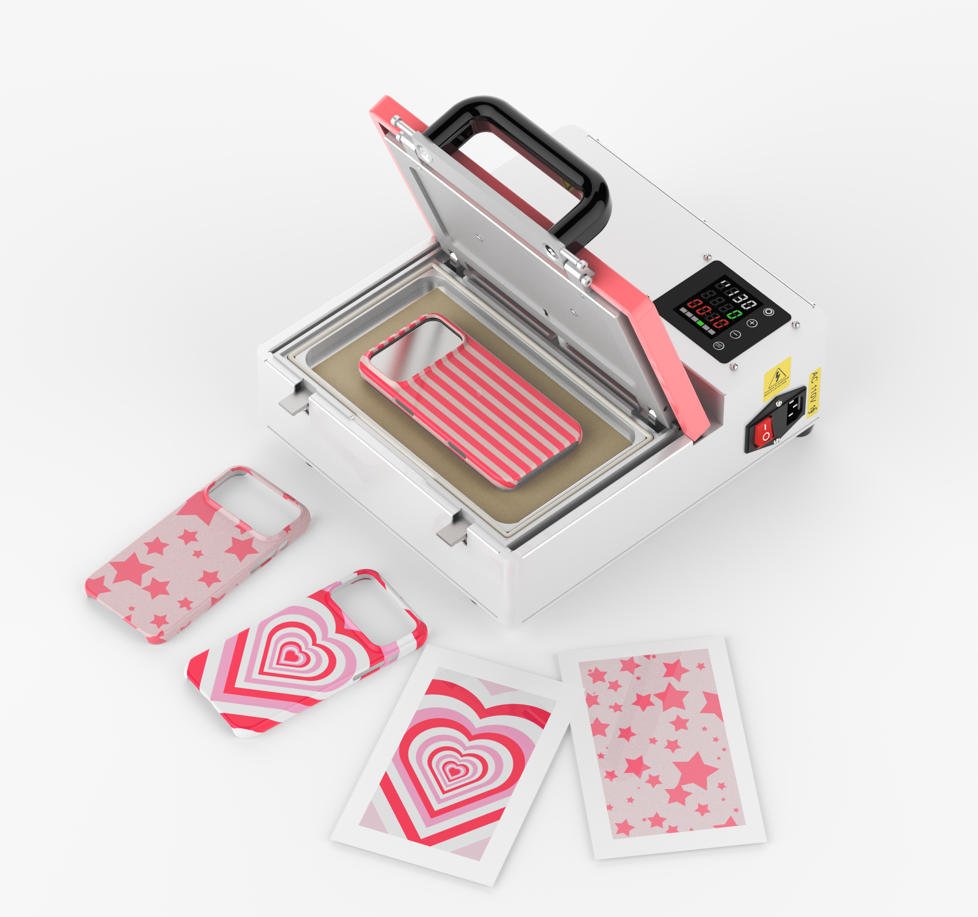
In the booming 2025 customized phone case market, 2-in-1 sublimation phone cases have emerged as a top choice for wholesalers, retailers, and private-label brands. By integrating robust protective performance with high-fidelity image printing, these cases have become the go-to option for photo gifts, personalized merchandise, and licensed artwork products.
Yet a common dilemma plagues many buyers:PBT film cases and coating cases look nearly identical on the surface—so why do their performance metrics and end-user experiences differ so drastically?
This article delves into the material science, processing workflows, core advantages, inherent limitations, and real-world application performance of both case types, equipping businesses with the insights needed to select the optimal solution for their market positioning and operational needs.
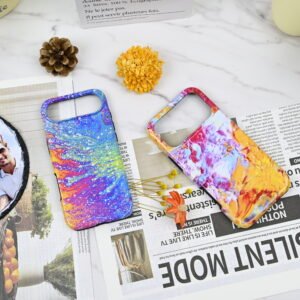
Why Are 2-in-1 Sublimation Phone Cases So Popular?
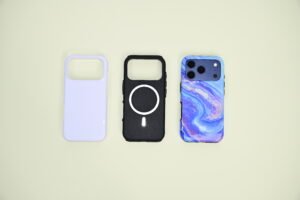
A standard 2-in-1 sublimation phone case features a two-layer structure:
- TPU inner liner: Delivers shock absorption and enhanced grip to prevent accidental slips
- Hard outer shell: Serves as the carrier for sublimation transfer
This structural design balances four core advantages that drive its market appeal:
- Exceptional overall durability for daily device protection
- High-definition, vivid print results that preserve design details
- Premium hand-feel that meets retail-grade user experience standards
- Compatibility with large-scale mass production to fulfill bulk order demands
What Is PBT and Its Application in Sublimation Phone Cases
PBT (Polybutylene Terephthalate) is a widely used engineering plastic favored for injection molding due to its lightweight properties and cost-effectiveness. In the realm of 2-in-1 sublimation phone cases, the term “PBT” almost exclusively refers to PBT film cases.
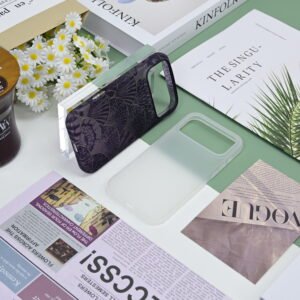
For entry-level scenarios—particularly promotional gifts, event giveaways, or budget-friendly merchandise—PBT cases remain a viable economical alternative. However, their performance trade-offs become evident in high-demand, quality-focused scenarios.
Limitations of PBT in Sublimation Transfer
High-temperature shrinkage (≈1.5%)
Sublimation transfer requires a heating environment of 130°C–140°C for 4–6 minutes. PBT’s relatively low thermal stability causes it to shrink by approximately 1.5% during this process, leading to:
- An overly tight fit when assembled with the TPU inner liner, risking installation damage
- A loose fit that results in case wobbling and compromised device protection
- Elevated defective product rates in mass production, eroding profit margins
Soft surface prone to scratches
PBT’s inherent low hardness makes its surface vulnerable to scratches during transportation, stacking, or manual handling—even before the sublimation printing process begins. These pre-existing blemishes directly ruin the final product’s appearance.
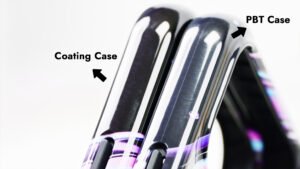
Prominent mold lines (risk of white edge defects)
PBT cases are manufactured via direct injection molding, which leaves noticeable, raised mold lines on the surface. During sublimation:
- The transfer film cannot fully conform to the raised mold lines
- Sublimation ink fails to cover the uneven surface of the lines
This leads to unsightly white edges, design misalignment, and incomplete prints.
Permanent scratch damage
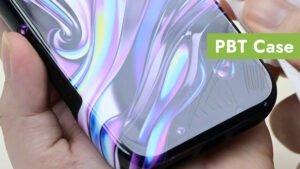
Without a protective surface coating, any scratches sustained by PBT cases are irreversible, significantly shortening the product’s service life.
Coating Cases: A More Stable, High-Quality Solution
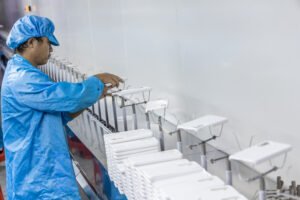
Coating cases are typically based on PC (Polycarbonate) material and undergo a multi-step, precision processing workflow:

- Precision injection molding of the PC base shell
- Surface grinding and polishing to eliminate mold lines and burrs
- Spraying of a specialized sublimation-compatible coating
- Controlled oven curing to solidify the coating and enhance adhesion
Thanks to these refined processes—especially grinding and professional coating—coating cases boast a smooth, uniform surface with nearly invisible mold lines, laying the foundation for superior sublimation print quality.
Advantages of Coating Cases
Zero shrinkage during sublimation
PC material features excellent heat resistance, maintaining its original dimensions before and after the high-temperature sublimation process. This ensures:
- A perfect, snug fit with the TPU bumper liner
- Consistent product specifications across production batches
- Dramatically reduced defect rates and production waste
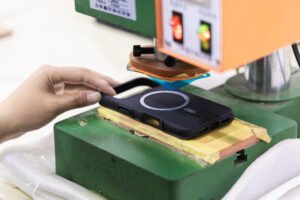
Enhanced hardness and scratch resistance
The specialized surface coating forms a protective barrier that boosts the case’s resistance to daily wear, transportation friction, and stacking damage, preserving the product’s pristine appearance throughout its lifecycle.
Smooth edges with negligible mold lines
Grinding, coating, and curing processes eliminate surface imperfections, resulting in far smoother edges than PBT film cases. This enables:
- Stronger adhesion between the transfer film and case surface
- Clean, seamless, edge-to-edge printing without gaps
- Elimination of white edge defects
- A sleek, retail-ready appearance that elevates brand perception
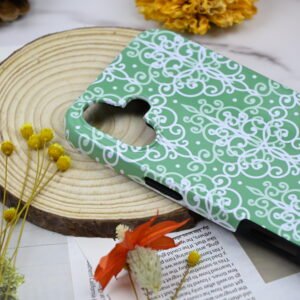
Self-healing for minor scratches
The elastic properties of the dedicated sublimation coating allow light surface scratches to self-repair within approximately 4 hours, further extending the case’s usable lifespan.
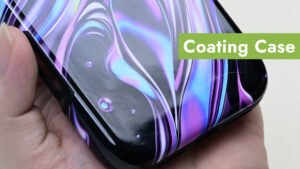
Superior color reproduction performance
The specialized sublimation coating facilitates uniform ink penetration into the case surface, delivering:
- Higher color saturation and vibrancy
- Sharper preservation of fine design details
- Longer-lasting color fastness that resists fading from UV exposure and daily use
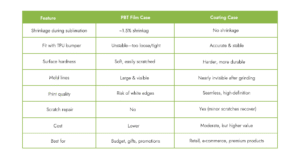
Side-by-Side Comparison: PBT vs Coating Case
Why Coating Cases Are Becoming the 2025 Mainstream
As consumer demands evolve, end-users are placing increasing emphasis on three key product attributes: tactile hand-feel, long-term durability, and high-quality print presentation—all areas where coating cases outperform PBT alternatives by a significant margin.
For wholesalers and brand operators, coating cases also deliver tangible business benefits:
- Lower production defect rates to reduce material waste and cost losses
- Streamlined mass production with consistent batch quality
- Fewer post-sales complaints and higher customer satisfaction scores
- Strengthened brand reputation through premium product offerings
Driven by these advantages, coating cases are rapidly displacing PBT cases in the mid-to-high-end customized phone case market, solidifying their status as the 2025 industry mainstream.
Prosub’s Upgraded Coating Technology
Leveraging its core technical strengths, Prosub has launched a suite of 2025 coating technology upgrades tailored to industry needs, with key highlights including:
- Revamped 2025 coating formula: Improves ink absorption efficiency and enhances surface abrasion resistance for longer-lasting, more durable prints.
- High-precision mold development: Ensures ultra-smooth case edges and a consistent, snug fit with TPU liners across all device models
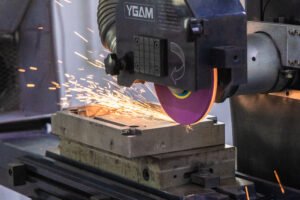
- Three-stage surface treatment workflow: Precision grinding → uniform coating spraying → controlled temperature curing, eliminating surface imperfections and ensuring coating adhesion
- Stable mass production capacity: Maintains consistent quality even for large-batch orders, meeting the delivery timelines of global clients
- Comprehensive OEM/ODM support: Offers customized packaging, brand logo embossing, and bespoke mold development services to align with brand-specific needs
- Reliable global supply network: Delivers stable shipments to key markets including Europe, the Americas, and Southeast Asia with standardized logistics and after-sales support

How to Choose the Right Case Type
Choose PBT film cases if:
- Your priority is minimizing unit cost for low-margin products
- You target entry-level customer segments with minimal durability expectations
Choose coating cases if:
- You aim to deliver premium print quality and a retail-grade user experience
- You need to reduce production defects and post-sales maintenance costs
- You operate in e-commerce or brick-and-mortar retail channels where product appearance and durability drive repeat purchases
Final Thoughts
Both PBT film cases and coating cases occupy distinct niches in the customized phone case market. The key to optimal selection lies in aligning the material’s performance characteristics with your target customers’ expectations, product positioning, and budget constraints.
For businesses seeking high-quality, stable, and visually stunning 2-in-1 sublimation phone cases, visit Prosub’s official website or contact its professional team to request product samples and a full model compatibility list.