


Sublimation printing has emerged as a top-tier decoration method in the custom gifting, promotional, and e-commerce sectors. Whether you’re a small business owner, a print-on-demand seller, or a DIY enthusiast exploring new creative avenues, sublimation delivers vibrant, durable, and highly customizable results—all with surprisingly low entry barriers.
This comprehensive guide will walk you through the fundamentals of sublimation printing, how it works, its key advantages and limitations, applicable products, comparisons with other printing technologies, and a step-by-step roadmap to launching your own sublimation business. We’ll also introduce Prosub, a globally trusted leader in the sublimation manufacturing industry.
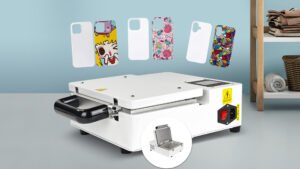
What Is Sublimation Printing And How Does It Work?
What Is Sublimation?
Sublimation printing (also called dye-sublimation printing) is a digital printing technology that uses heat to transfer dye onto materials such as fabric, ceramic, metal, plastic, or specially coated hard surfaces.
Instead of sitting on top of the material (like screen printing ink), sublimation dye becomes part of the surface itself, resulting in long-lasting, high-resolution images.
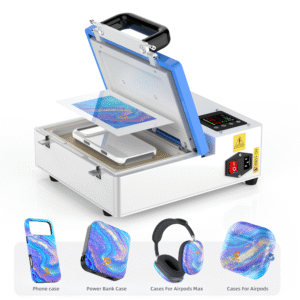
What Equipment & Materials Do You Need?
To launch your sublimation transfer journey, you’ll need the following core equipment and key materials:
Core Equipment
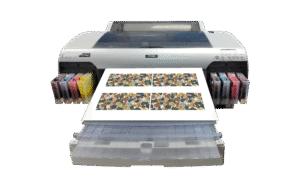
Sublimation printer (Recommended models: EPSON 4880C / EPSON 7380)
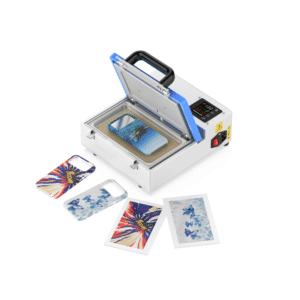
Sublimation machine (flat heat press machine or vacuum machine)
👉:Click here to learn more about vacuum machine
Computer & design software (Photoshop, Illustrator, Canva)
ICC color profile (ensures accurate color output)
Key Materials
Sublimation ink (must be sublimation-specific)
Sublimation paper / sublimation film
👉:Learn more: Sublimation Paper vs. Sublimation Film
Heat-resistant tape
Sublimation blanks (mugs, phone cases, textile, etc.)
How Does Sublimation Printing Work? (Step-by-Step Process)
1.Design Creation
Create your artwork using design software.
2.Print on Sublimation Paper or Sublimation Film
Print the design onto sublimation paper or film using sublimation ink.
3.Prepare the Sublimation Blank
Use products with a polyester surface or polymer coating.
4.Sublimation Transfer
Using a sublimation machine, preheat it and set the pressure, temperature, and time.
- Flat heat press machine: Medium pressure, 180–190℃ for 60–90 seconds
- Vacuum heat press: 130–140℃ for 4–6 minutes
- Note: Exact time and temperature vary by material type.
- The applied heat converts the solid dye into gas, which penetrates the substrate’s coating.
5.Cooling & Final Result
Allow the blank to cool completely—during this process, the dye reverts to a solid state, becoming permanently embedded in the material. The end result is a vivid, scratch-resistant, and fade-proof print.
Sublimation Printing: Pros & Cons
✅ Pros
- Vibrant, photo-quality output:Sublimation delivers vibrant, high-resolution prints featuring seamless color gradients and photorealistic detail. The dye forms a molecular bond with the substrate, resulting in intense color saturation and exceptional colorfastness.

- Exceptional durability: The dye integrates with the substrate to become an integral part of the material, resulting in prints resistant to cracking, peeling, fading, or washing-off—distinct from surface-applied prints such as vinyl. These prints withstand repeated laundering and daily wear.

- Wide product compatibility: Works with textiles, ceramics, metals, wood, and more (with proper coating).
- Low startup costs: More affordable than DTG or screen printing setups.
❌ Cons
- Material restrictions: Requires polyester or polymer-coated surfaces; performs best on light-colored, high-polyester fabrics .The polyester fiber content of the fabric is inversely proportional to the likelihood of printed design fading. This is because the chemical properties of sublimation dyes require synthetic fibers to form a firm bond, thereby delivering long-lasting color retention.
- Not ideal for dark 100% cotton: Workarounds exist but don’t qualify as true sublimation.Sublimation dyes exhibit poor adhesion to natural fibers and are prone to rapid washing-out.
- Color limitations:Optimal results are achieved with white or light-colored substrates. On dark or colored materials, prints will appear muted or even invisible, as sublimation inks are semi-transparent and standard sublimation processes do not utilize white ink. For dark fabrics, alternative printing methods such as DTF (Direct to Film) printing is recommended.
What Can You Sublimate On?
Sublimation works on any high-polymer or polyester-based surface.
Popular sublimation blanks include:
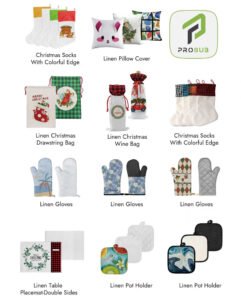
Textiles
Linen bags
Polyester T-shirts
Blank pillowcases
Canvas bag
Sublimation gloves
Christmas Socks
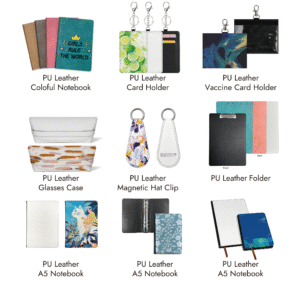
Leather
Passport
Work permit
Apple watch band
Key chain
Home Decorations
Ceramic tiles
Photo panels
MDF boards
Aluminum sheets

Accessories
Badges
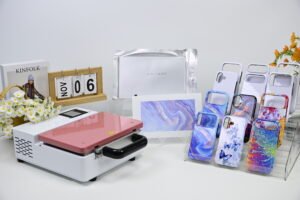
With the right coating, sublimation can be applied to metal, glass, ceramic, MDF, and even wood.
Sublimation VS Other Printing Methods (DTG, Screen Printing)
What is screen printing?
Screen printing involves creating a stencil with a perforated pattern, then using a squeegee to force ink through the mesh and transfer it to the substrate to form the design. The ink adheres directly to the substrate through the mesh, similar to a “stamping” process.
key differences between sublimation transfer and screen printing:
Fabric compatibility
Sublimation printing requires polyester fabrics or polymer-treated materials. It does not work on cotton or natural fibers. Screen printing works on almost any fabric — cotton, poly-cotton blends, canvas, nylon, and more.
Color and design capabilities
Dye sublimation can produce unlimited colors, smooth gradients, and photographic-quality images at no extra cost because it uses a full-color digital printer.
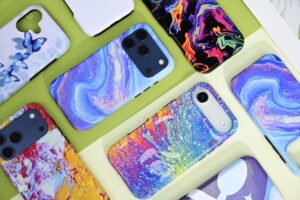
Screen printing is limited by the number of colors used — each color requires its own screen and setup. Simple 1–6 color designs are affordable, but full-color or photographic designs become expensive and usually less vibrant.
Durability
On polyester, dye sublimation is extremely durable — the design will not crack, peel, or fade, even after hundreds of washes, because the color is embedded in the fibers.
Screen printing is also very durable (especially with plastisol inks), but over time and repeated washing, the print can eventually crack, fade, or peel, particularly if lower-quality inks or curing methods are used.
What is DTG?
DTG is a digital printing process commonly used in the production of custom garments. It is a direct printing method. Unlike techniques such as dye-sublimation and screen printing, which require creating a design before transferring it to the fabric via heat or pressure, DTG uses a digital inkjet printer to print directly onto the fabric.
key differences between sublimation transfer and DTG:
Fabric compatibility
DTG works best on 100% cotton and also performs well on cotton-rich blends.
Colors and detail
Both methods handle unlimited colors, gradients, and photographic designs beautifully. Sublimation usually looks a bit more vibrant on white polyester, while DTG excels at fine detail and sharp text.
Durability
Sublimation is essentially permanent on polyester—it will never crack, peel, or fade.
DTG is durable with proper pretreatment and curing, but the print can fade or crack sooner than sublimation, especially after many washes.
👉:know more about the differences between sublimation and other printing method
How to Start a Sublimation Products Business
Starting a sublimation business is easier today than ever. Here’s a simple roadmap:
Step 1: Choose Your Niche
Focus on a specialized category to stand out:
- Custom gifts
- Phone cases
- Promotional products
- Pet accessories
- Home décor
- Apparel
Step 2: Prepare Your Equipment
Start with the essentials and scale as you grow:
- Sublimation printer
- Sublimation ink
- Sublimation paper/film
- Heat press machine or vacuum machine
- Basic sublimation blanks
Step 3: Design & Branding
Offer diverse options to attract customers:
- Ready-made templates
- Custom design services
- Seasonal and trending collections
Step 4: Find a Reliable Manufacturer
This is critical to your success. A trusted manufacturer will provide:
- Consistent quality and coating performance
- Bulk pricing discounts
- Fast delivery times
- New product development support
- OEM/ODM customization
👉:These are Top 10 Sublimation Blanks Manufacturers & Suppliers 2025 (Ultimate Guide)

How to Find a Reliable Sublimation Manufacturer
Prioritize suppliers with:
- Long-term industry experience
- In-house production (no middlemen)
- Strict quality control systems
- In-house coating workshops and R&D capabilities
- Stable inventory for bulk orders
- International certifications
- Professional after-sales support
👉:Learn more:How to Find Reliable Sublimation Blanks Manufacturers in China?
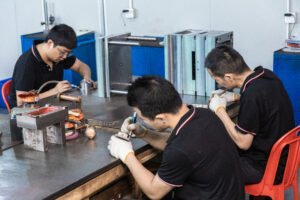
Introducing Prosub — Your Trusted Sublimation Manufacturer
Prosub (Dongguan Prosub Industrial Co., Ltd.)
A professional sublimation blanks manufacturer in China, established in 2012.
Prosub specializes in sublimation transfer products, sublimation blanks, sublimation machines, OEM/ODM services, and has two production bases with around 200 employees.
What Prosub Offers
- Full line of sublimation blanks: Phone cases, tumblers, rock slates, linen bags, MDF boards, aluminum sheets, keychains, bookmarks, and more.
- Sublimation equipment: Vacuummachine and metal molds.
- Custom OEM/ODM services: Coating, mold development, and private-label production.
- R&D + strict QC: Ensures consistent quality and long-lasting durability.
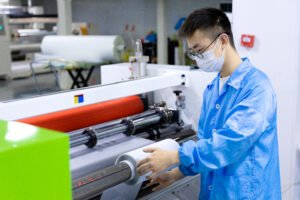
Why Choose Prosub?
✔ 13+ years of experience in sublimation products
✔ Advanced coating workshop ensuring consistent color performance
✔ Factory-direct pricing with no intermediaries
✔ Reliable supply chain for global wholesalers and brands
✔ Custom development for new sublimation blanks and molds
✔ Strong export experience to Europe, America, and Southeast Asia
✔ Support for small to large-scale businesses
Whether you’re launching a small shop or scaling a large e-commerce brand, Prosub delivers end-to-end solutions for heat transfer production, customization, and private branding.

Final Thoughts
Sublimation printing continues to grow rapidly, driven by its versatility, durability, and stunning print quality. By mastering the basics of equipment, materials, and workflows—and partnering with a reliable manufacturer like Prosub—you can confidently tap into the thriving sublimation market.
If you need sublimation blanks, equipment, molds, or OEM/ODM services, feel free to contact Prosub at any time.

