At Prosub, we don’t just sell equipment; we provide the foundation for your creative success. As a premier global manufacturer and distributor, Prosub specializes in high-performance heat transfer solutions, ranging from industrial-grade flat heat presses to advanced 3D vacuum systems. Our competitive edge lies in our commitment to precision engineering, energy-efficient heating technology, and comprehensive technical support. When you choose Prosub, you are investing in machinery tested for peak consistency, ensuring that your first print looks just as vibrant as your thousandth.
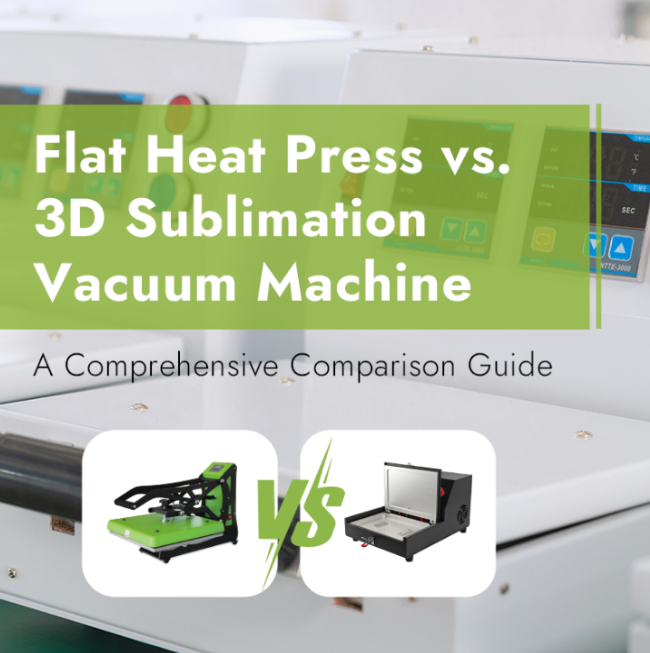
For businesses entering the world of personalized products, the most critical decision often comes down to the machinery: Should you invest in a traditional Flat Heat Press or a 3D Sublimation Vacuum Machine? While both use heat and pressure to transfer designs, they are designed for very different applications. This guide will break down everything you need to know to make an informed investment.
1. Defining the Technology: Two Paths to One Goal
Before we compare them, let’s define what these machines actually do. Both utilize the sublimation process, where specialized ink turns into gas under high temperatures to bond with a polymer-coated substrate.
The Flat Heat Press Machine
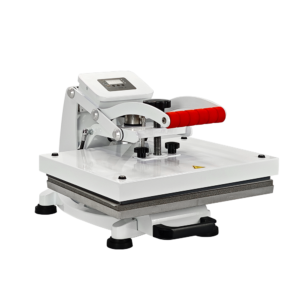
The flat heat press is the workhorse of the garment and custom gift industry. It consists of two flat platens—a heated top platen and a padded bottom platen. Pressure is applied manually or pneumatically by clamping the two surfaces together. It is designed specifically for flat, two-dimensional items.
The 3D Sublimation Vacuum Machine
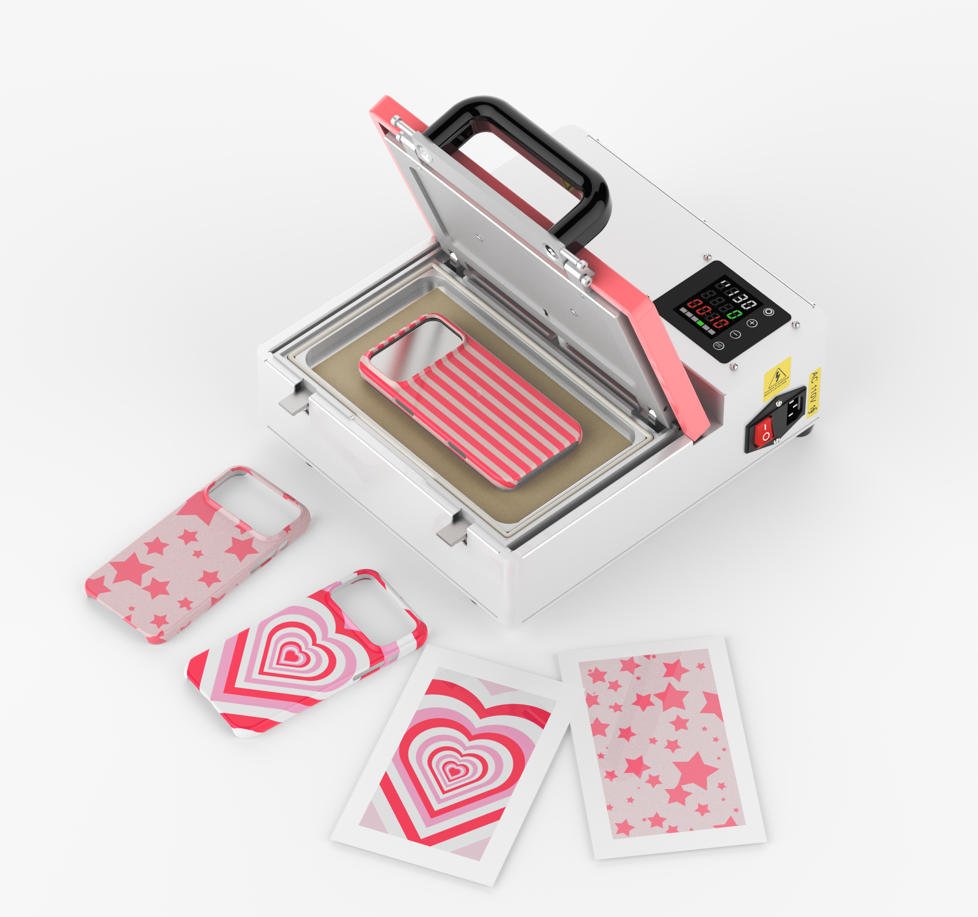
The 3D vacuum machine represents the next generation of sublimation. Instead of using mechanical clamping force, it uses a combination of infrared heat and vacuum suction. A heat-resistant vacuum film or silicone cover pulls the sublimation paper tightly around the contours of an object, allowing for printing on curved, irregular, and three-dimensional surfaces.
2. Structural Differences and Mechanism
The core difference lies in how they apply the “Pressure” element of the Heat-Time-Pressure sublimation trifecta.
Flat Heat Press (Mechanical Pressure):
These machines rely on physical force. You place your item on the lower platen, lay your design on top, and “sandwich” them. The pressure is strictly vertical. At Prosub, our flat presses feature reinforced steel frames and adjustable pressure knobs to ensure that this force is distributed perfectly across the entire surface, preventing “cold spots” or uneven transfers.
Vacuum Machine (Atmospheric Pressure):
A vacuum machine acts more like an oven than a press. Once the door is closed, a powerful internal pump removes the air from the chamber. This creates a vacuum that forces the sublimation film to “shrink-wrap” around the product. This allows the ink to reach areas that a flat platen simply cannot—such as the rounded corners of a phone case.
3. Application Scope: What Can You Make?
Your choice of machine dictates your entire product catalog.
Flat Heat Press Applications:
Apparel: T-shirts, hoodies, and tote bags.
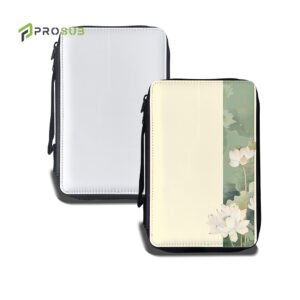
Flat Hard Goods: Metal photo panels, MDF wood plaques, and glass frames.
Small Accessories: Mousepads, coasters, and keychains.
2D Phone Cases: Specifically the metal inserts that are later adhered to the case.
3D Vacuum Machine Applications:
3D Phone Cases: Full wrap-around designs that cover the back and all sides.
Drinkware: Specialized mugs (including conical latte mugs) and shot glasses.
Home Decor: Curved plates, ceramic tiles, and even specialized sports equipment like shin guards.
4. Technical Performance and Print Quality
Consistency and Precision
The Flat Heat Press is unrivaled for flat surfaces. Because the heating element is in direct contact with the item, the heat transfer is immediate and intense. Prosub’s flat presses utilize high-density heating coils to ensure the temperature remains stable within ±1°C.
The 3D Vacuum Machine excels in “seamlessness.” In 2D printing, you often see a white border on the edges of curved items. A vacuum machine eliminates this. However, it requires a “cooling jig” (especially for phone cases) to ensure the item doesn’t warp after being heated in the vacuum chamber.
Speed vs. Capacity
Individual Speed: A flat press is faster for a single T-shirt (30–60 seconds).
Batch Capacity: A 3D vacuum machine takes longer per cycle (5–8 minutes) but can handle dozens of small items simultaneously, making it more efficient for high-volume production of small gifts.
5. Ease of Use and Learning Curve
The Flat Press is “Plug and Play”: It is remarkably simple to operate. Set the timer, set the temperature, and press. It is the ideal starting point for entrepreneurs.
The Vacuum Machine requires “Craft”: Using a 3D machine involves a learning curve. You must learn how to wrap the film without creases and how to use vacuum tape correctly. However, once mastered, it allows for a much more professional, high-end retail finish.
6. Maintenance and Durability
Flat Heat Press: Maintenance is minimal. Usually, it involves keeping the Teflon sheet clean and occasionally lubricating the pressure joints. Prosub flat presses are built with industrial-grade components designed for 24/7 operation.
Vacuum Machine: These machines have more moving parts, including a vacuum pump and silicone membranes. The silicone vacuum pads are consumables that will eventually need replacement after a certain number of heat cycles.
7. Comparative Summary: Choosing the Right Tool
To simplify your decision, consider these three factors:
Product Type: If your business is 90% T-shirts and flat panels, a Prosub Flat Heat Press is the only logical choice. If you want to dominate the custom phone case or home decor market, the Prosub 3D Vacuum Master is essential.
Space: Flat presses come in various sizes, including compact “clamshell” models. Vacuum machines are generally larger and require more desk “real estate.”
Budget: A high-quality flat press is generally more affordable as an initial investment. A 3D vacuum system is more expensive upfront but offers a higher “Profit Per Item” due to the premium nature of 3D-wrapped products.
Why Partner with Prosub for Your Equipment Needs?
Whether you decide on a flat heat press or a 3D vacuum system, the manufacturer behind the machine is what determines your long-term ROI. At Prosub, we provide a level of quality that “generic” brands simply cannot match:
Advanced Thermal Engineering: Our machines feature double-layered insulation and energy-efficient heating elements, reducing your electricity costs by up to 20% compared to older models.
Prosub Precision Jigs: For our 3D vacuum customers, we provide precision-engineered metal jigs for the latest smartphone models. These ensure your cases fit perfectly every time, reducing waste and protecting your margins.
Global Warranty & Expert Support: We don’t just ship a box; we provide a partnership. Our technical team is available to help you calibrate your settings for different materials, ensuring you get perfect results from day one.
One-Stop Supply Chain: Beyond machinery, Prosub offers a massive catalog of high-grade sublimation blanks. By sourcing your machines and materials from a single, reliable manufacturer, you ensure perfect compatibility and color consistency across your entire product line.
Ready to scale your customization business? At Prosub, we have the expertise to help you choose the right technology for your specific goals. Our machines are the silent partners in thousands of successful businesses worldwide, providing the reliability you need to focus on what matters most: your creativity.Contact Prosub today for a customized quote or to speak with one of our equipment specialists about which machine will best serve your business’s future.