Introduction
Personalized phone cases have become one of the fastest-growing categories in the custom merchandise market. From e-commerce sellers and print-on-demand brands to hobbyists and promotional product suppliers, more people are looking for ways to create phone cases that are not only visually appealing but also durable and professional.
This guide is designed to clearly explain what sublimation phone case blanks are, how they work, and how you can use them to create high-quality custom phone cases. Whether you are just getting started or planning to scale a customization business, this article will walk you through the essentials—from materials and equipment to settings, design ideas, and best practices—providing you with comprehensive reference.
What Are Sublimation Phone Case Blanks?
Definition
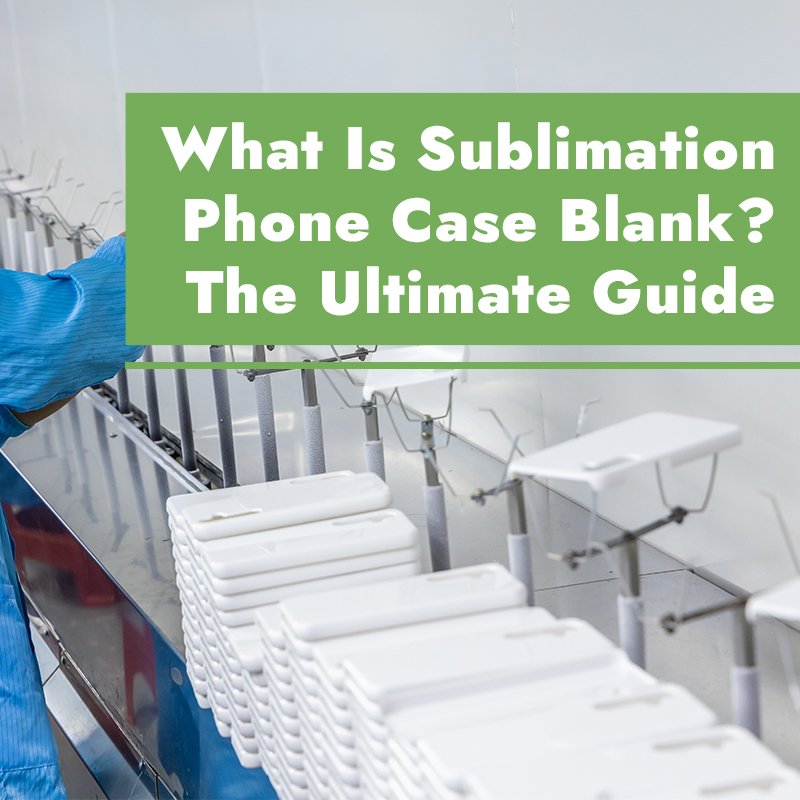
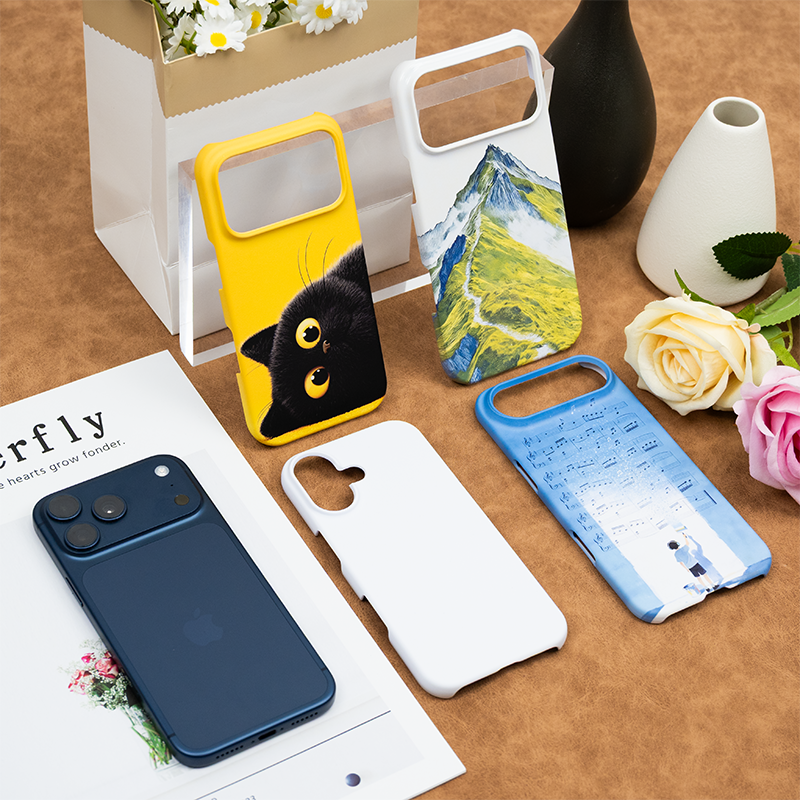
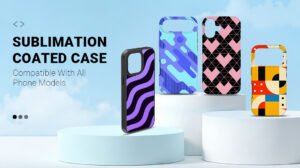
Sublimation phone case blanks are blank phone cases with a sublimation-ready coating, typically made for popular models such as iPhone and Samsung. This coating allows sublimation ink to bond permanently with the surface when exposed to heat and pressure.
Unlike ordinary phone cases, standard uncoated plastics cannot absorb sublimation ink. Sublimation blanks are engineered specifically to support this process and deliver consistent results.
Materials
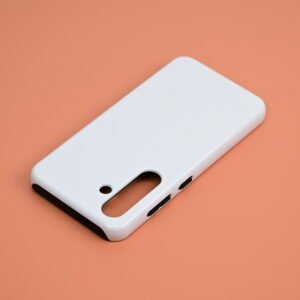
Common sublimation phone case blanks include:
- 3D 2 into 1 Coated (Polymer) Cases (TPU + PC with Coating)
- 2D TPU+PC Cases (TPU Frame + Aluminum/Glass Backplate)
- Slim Coated Case
It’s worth mentioning that, besides the regular phone case blanks, Prosub’s newly launched replaceable backplate phone case is composed of a TPU frame, a PC backplate, and a magnetically replaceable coated backplate.
Each material offers different levels of durability, flexibility, and heat resistance, but all share one key feature: a sublimation-friendly surface.
Sublimation vs. Non-Sublimation Blanks
Non-sublimation blanks may work with UV printing or stickers, but they cannot deliver the same level of durability or color depth. For sellers focused on premium quality and long-term use, sublimation blanks are often the preferred option.
How Sublimation Transfer Works for Phone Cases
The Science Behind Sublimation
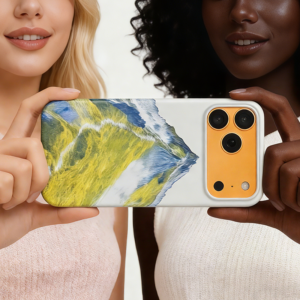
Dye sublimation is a heat-activated process. When heated to high temperatures, sublimation ink transitions directly from a solid into a gas. This gas then penetrates the polymer coating on the phone case and permanently bonds with it as it cools.
Common Misconceptions
- “Sublimation only works on white cases”: White or light-colored surfaces are recommended because sublimation ink is transparent, but it can work on light pastel coatings as well.
- “You need very expensive equipment”: Entry-level sublimation setups are accessible and scalable, especially for phone case production.
Essential Equipment: Sublimation Phone Case Machines
Types of Machines
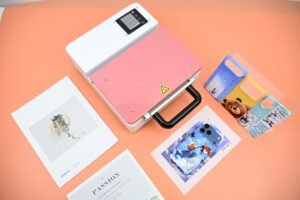
- Heat press machines: Suitable for flat or 2D phone cases.
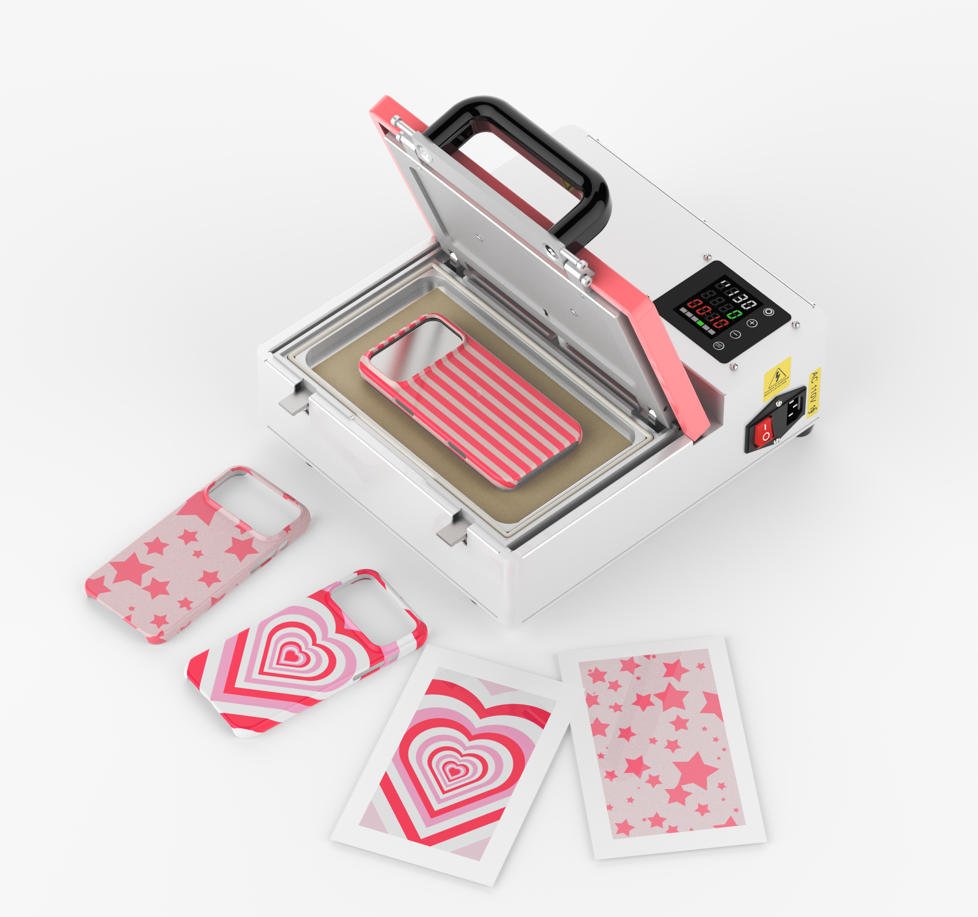
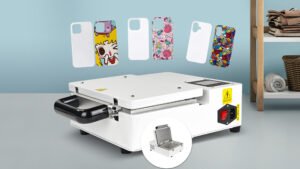
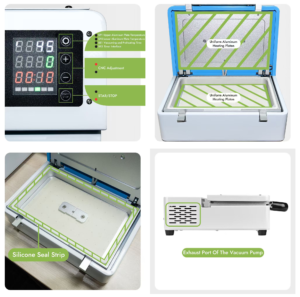
- 3D vacuum machine: Designed for curved or full-wrap phone cases, ensuring even pressure around edges.
What to Look For
Key features include:
- Accurate temperature control
- Adjustable pressure
- Digital timer
- Stable heating performance
Reliable sublimation machines and phone-case-specific presses can be found through professional suppliers such as Prosub, which focuses on sublimation equipment and consumables.
Optimal Time and Temperature for Sublimation Phone Cases
General Guidelines
Most sublimation phone case blanks perform well within these ranges:
- Temperature: 130-140°C (sublimation vacuum machine) or 180℃ (heat press machine)
- Time: 4-6 minutes (sublimation vacuum machine) or 60-90 seconds (heat press machine)
Factors That Affect Results
- Ink brand
- Sublimation transfer paper or sublimation film
- Ambient humidity and room temperature
Troubleshooting
- Too hot: Yellowing, surface distortion
- Too cool: Dull or incomplete transfer
Always test with a sample case before full production.
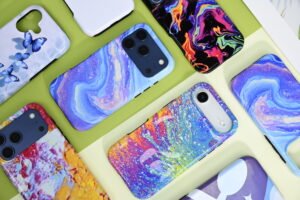
Fine-Tuning Sublimation Phone Case Settings
Pressure Control
- Light to medium pressure is usually sufficient
- Excessive pressure may warp plastic cases
Printer and Software Settings
- Use high-resolution output (300 DPI recommended)
- Enable mirror printing
- Apply correct ICC color profiles for sublimation ink
Popular design software includes Photoshop and CorelDRAW.
Case-Specific Adjustments
- Flat cases require simpler alignment
- 3D cases need vacuum presses and longer heating cycles
Creative Ideas for Sublimation Phone Case Designs
Design Basics
- Use high-resolution images
- Avoid overly dark backgrounds
- Leave bleed margins for curved edges
Popular Design Themes
- Personalized photos
- Minimalist patterns
- Quotes and typography
- Seasonal and holiday designs
- Sports and lifestyle graphics

Tools and Resources
- Free design tools: Canva, GIMP
- Paid tools: Adobe Photoshop
- Stock image platforms (ensure proper licensing)
Advanced Techniques
- Layered graphics
- Subtle textures
- Combining sublimation with special surface finishes
Step-by-Step: Your First Sublimated Phone Case
Preparation
You will need:
- Sublimation phone case blanks
- Sublimation ink
- Sublimation Paper or Sublimation Film
- Heat press machine or 3D vacuum machine
Suppliers like Prosub offer complete solution sets for beginners and businesses.
High-Level Process Overview
- Create a design using professional software.
- Print the design onto sublimation transfer film or sublimation transfer paper.
- After adjusting the machine parameters and preheating, embed the phone case into the jigs and secure it.
- Align the paper on the phone case blank.
- Apply heat and pressure using a sublimation machine (sublimation vacuum machine or heat press machine—it depends on whether the phone case is printed in a flat or 3D shape).
- Allow the case to cool and peel the film off.
Common Errors and Fixes
- Misalignment: Use heat-resistant tape
- Color shifts: Adjust printer profiles
- Blurry edges: Improve pressure consistency
Tips and Best Practices
- Choose high-quality coated blanks for consistency
- Store blanks in dry environments
- For businesses, consider bulk purchasing to reduce cost per unit
- Eco-friendly sublimation inks and recyclable materials are also becoming more common in the industry.
Advantages and Applications of Sublimation Phone Cases
Advantages
- Vibrant and precise color reproduction captures intricate details and gradients with exceptional clarity. Resistant to fading, scratches, and water damage, it preserves its visual appeal even with daily use. Compatible with diverse phone case materials, including hard plastic, soft TPU, and metal, it broadens design possibilities.
- Offering faster production than traditional methods, it is suitable for both small – batch and large – scale orders. Seamlessly integrating with digital design software, it transfers custom artwork, photos, and graphics without any loss of
- The eco- friendly process uses water – based inks, generating minimal waste and fewer harmful emissions than solvent – based alternatives. The ink forms a durable bond with the substrate, resisting peeling or cracking despite frequent handling.
- Sublimated phone cases deliver high perceived value, standing out with their unique, personalized appeal. Versatile across various phone models and sizes, they cater to diverse customer bases. Cost – effective for custom designs with no small – quantity setup fees, it is accessible to individual consumers and small businesses alike.
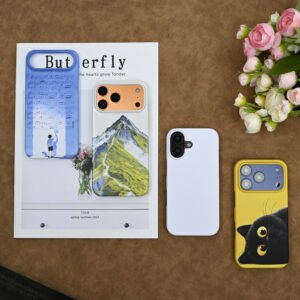
Applications
- Online stores
- Corporate promotional gifts
- Personalized gifts
Market Outlook
Demand for customized tech accessories continues to grow in 2026, driven by personalization trends and small-batch manufacturing.
Where to Get Started: Resources and Suppliers
A reliable supply chain is essential. Prosub provides a wide range of:
- Sublimation phone case blanks
- Sublimation machines
- Sublimation consumables (such as high-quality sublimation inks and sublimation transfer film)
This ensures businesses and individuals have access to all necessary components from a single trusted source. This integrated supply chain not only simplifies the procurement process but also guarantees consistency in product quality, reducing the risk of compatibility issues between different materials. Additionally, Prosub offers flexible ordering options, with no minimum quantity requirements for many items, allowing small-scale operations and hobbyists to start with minimal upfront investment. Their dedicated customer support team provides technical guidance on material selection and usage, further lowering the barrier to entry for those new to sublimation customization.

Conclusion
Sublimation phone case blanks offer a reliable, professional way to create vibrant and durable custom phone cases. By understanding the materials, equipment, settings, and design considerations, anyone—from beginners to established businesses—can successfully enter this market.
With the right blanks, machines, and support from experienced suppliers like Prosub Sublimation, sublimation printing becomes not just a production method, but a powerful tool for creativity and business growth.