The global smartphone accessories market is booming, and custom phone cases sit right at the center of this highly profitable niche. Whether you are expanding an established tech-accessory brand or launching a Print-on-Demand (POD) store, sourcing your inventory from China offers unmatched cost advantages and manufacturing scalability.
However, transitioning from a brilliant design concept to a flawless physical product requires navigating a complex global supply chain. For international buyers, the primary challenge isn’t finding a manufacturer in China—it is finding a trusted, qualified partner who can protect your brand reputation, respect your intellectual property, and deliver consistent quality.
This comprehensive guide breaks down the step-by-step process of identifying, verifying, and collaborating with a top-tier custom phone case manufacturer in China.
1. Define Your Product Requirements and Sourcing Model
Before reaching out to suppliers, you must be crystal clear about what you are making and how you want it made. Clear specifications prevent misunderstandings that could derail your production timeline later.
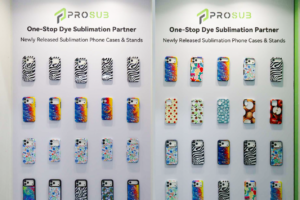
ODM (Original Design Manufacturer): You choose from existing case molds designed by the factory but customize them with your own branding, colors, logos, or printed artwork. This is the fastest, most cost-effective path for most e-commerce brands.
OEM (Original Equipment Manufacturer): You provide proprietary blueprints, 3D CAD files, and specific material combinations (e.g., eco-friendly bioplastics or heavy-duty shockproof designs). The factory builds a completely unique custom mold for your brand.
Specify Materials and Features
Phone cases are no longer just pieces of molded plastic. Your tech pack should specify:
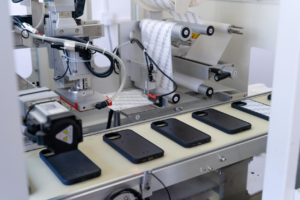
1.Material composition: TPU (flexible), Polycarbonate (hard shell), Liquid Silicone, Genuine/PU Leather, Biodegradable wheat straw, or Tempered Glass.
2.Compatibility: Precise dimensions for the latest iPhone, Samsung Galaxy, or Google Pixel models.
3.Functionality: MagSafe compatibility (magnet strength matters!), anti-yellowing compounds for clear cases, camera bezel height, and drop-test ratings.
2. Where to Look: Top Channels to Source Chinese Manufacturers
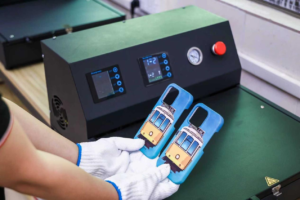
Finding candidates requires using the right platforms effectively. Don’t rely on just one channel; diversify your search to cross-reference potential partners.
B2B Online Platforms
Alibaba: The largest database, ideal for filtering suppliers by verification status, trade assurance, and specific product niches.
Global Sources: Known for vetting suppliers more strictly than Alibaba. It attracts larger, more established manufacturers with higher manufacturing standards.

Made-in-China: An excellent alternative directory focused heavily on industrial-grade production and legitimate factories.
Offline Trade Shows & Factory Visits
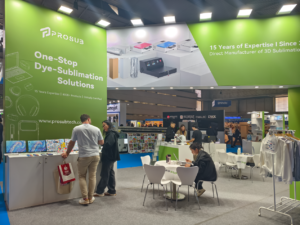
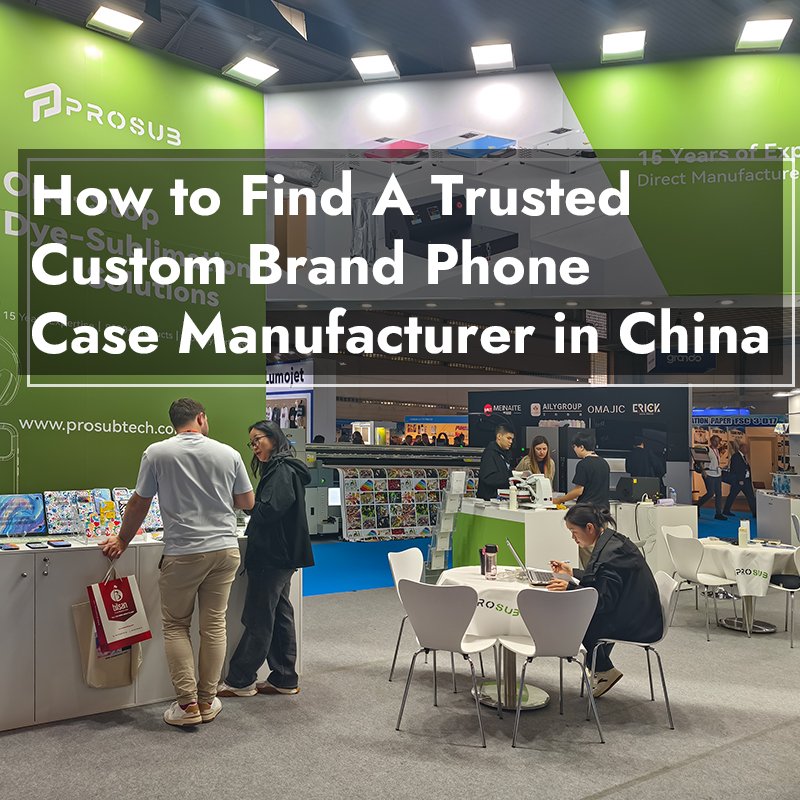
While online B2B platforms and social networks offer unmatched convenience, nothing replaces the security and clarity of face-to-face business interactions. For brands looking to build serious, long-term partnerships, combining offline trade shows with direct factory invitations is the gold standard of sourcing.
Leverage Industry Trade Fairs: Attending major international and domestic exhibitions—such as the Canton Fair in Guangzhou, the Global Sources Electronics Show in Hong Kong, or specialized tech accessory expos—allows you to evaluate hundreds of suppliers simultaneously. Visiting physical booths gives you the unique opportunity to examine product samples in real time, feel the actual material quality, test button clickiness, and evaluate the professionalism of the factory’s representatives on the spot.
The Power of Factory Invitations: A legitimate, high-quality manufacturer will always welcome an invitation for a factory site visit. Transitioning from a trade show booth to an actual factory tour in primary manufacturing hubs like Dongguan or Shenzhen gives you an unfiltered look at a supplier’s true setup. Walking the production floor allows you to audit their injection molding machinery, dust-free printing environments, and real-time quality control protocols, transforming a standard transaction into a deeply trusted strategic partnership.
Strategic Google Search Queries
Conducting a direct Google search allows you to find independent manufacturing companies that may not actively maintain storefronts on massive B2B platforms.
Refine Your Search: Avoid generic terms. Combine your product niche with precise industry qualifiers (e.g., “custom TPU phone case manufacturer China,” “OEM/ODM sublimation phone case factory Dongguan,” or “bulk hybrid phone case supplier”).
Professional Social Networks (LinkedIn)
LinkedIn has grown into a powerful tool for sourcing verified Chinese manufacturers. Many modern, export-focused factories employ English-speaking sales directors and product managers who actively share real-time factory videos, automated production line updates, and corporate milestones on the platform. Searching for keywords like “phone case manufacturer China” under the “People” or “Companies” tab can connect you directly with factory decision-makers, bypassing standard customer service filters.
Industry Clusters: Head Directly to the Source
In China, manufacturing happens in specialized geographical hubs. For phone cases, Guangdong Province is the undisputed capital.
Shenzhen: The global epicenter of electronics and tech accessories. Sourcing here means proximity to cutting-edge tech designs.
Dongguan: Famous for precision plastic injection molding and heavy industrial manufacturing, offering high-capacity, cost-effective factory options.
3. Screening Suppliers: Factory vs. Trading Company
When browsing online directories, you will encounter two types of businesses: True Manufacturers (Factories) and Trading Companies (Middlemen). Neither is inherently bad, but you must know who you are dealing with to align with your business scale.
True Manufacturers (Factories)
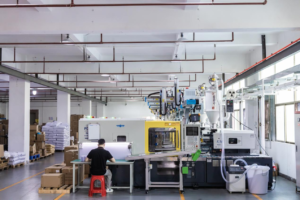
A real factory owns the production lines and raw materials. Working with them gives you the lowest factory-direct cost and unparalleled control over deep customizations, such as creating unique phone case molds. However, they typically demand higher minimum order quantities (MOQs) and focus heavily on a narrow range of materials they specialize in.
Trading Companies (Middlemen)
Trading companies act as intermediaries between you and various factories. While their pricing includes a marked-up commission, they offer incredible flexibility. They usually provide much lower MOQs, a wider variety of product lines across different materials, and can bundle multiple types of accessories into one shipment.
Pro Tip for Identifying Factories: Check the supplier’s business license or company profile. If their registered name contains words like “Plastic Injection Molding” or “Manufacturing”, they are likely a factory. If it says “Trading”, “Commercial”, or “Import & Export”, they are a trading company.
4. The Verification Framework
Once you have a shortlist of 5 to 10 potential suppliers, apply this vetting framework to assess their legitimacy and reliability.
Step 1: Look for “Verified” Status & Certifications
Ensure the supplier holds independent, third-party certifications. Look for:
ISO 9001: Demonstrates a strict international quality management system.
BSCI / Sedex: Essential if your brand values ethical labor practices and social compliance.
RoHS / REACH: Validates that the plastics, inks, and chemicals used in the phone cases are non-toxic and compliant with Western environmental laws.
Step 2: Audit Their Production Capacity and Tech
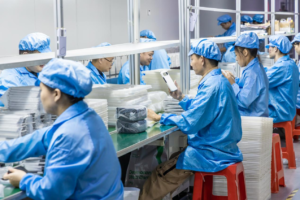
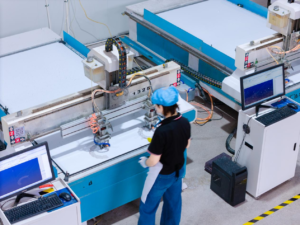
Ask for a virtual factory tour or a video walk-through of their facilities. A top-tier custom case factory should display modern high-precision machinery, including:
Advanced plastic injection molding machines.
Automated UV printing or In-Mold Decoration (IMD) equipment.
Clean, organized packaging lines and dust-free printing rooms (crucial for keeping dust particles from ruining clear cases).
Step 3: Evaluate Technical Communication
A trusted partner needs exceptional communication. Assess how quickly and accurately their sales reps answer complex technical questions about molding tolerances.
5.Navigating the Sampling Process
Never, under any circumstances, place a bulk production order without approving physical samples first. The sampling phase is your ultimate defense against low-quality inventory.
1.Request Stock Samples First:Low or No Cost
Ask the factory to send existing cases they have already manufactured. This allows you to evaluate their general material quality, plastic injection neatness, and button clickiness without paying for custom setups.
2.Order Custom Samples:Paid Phase
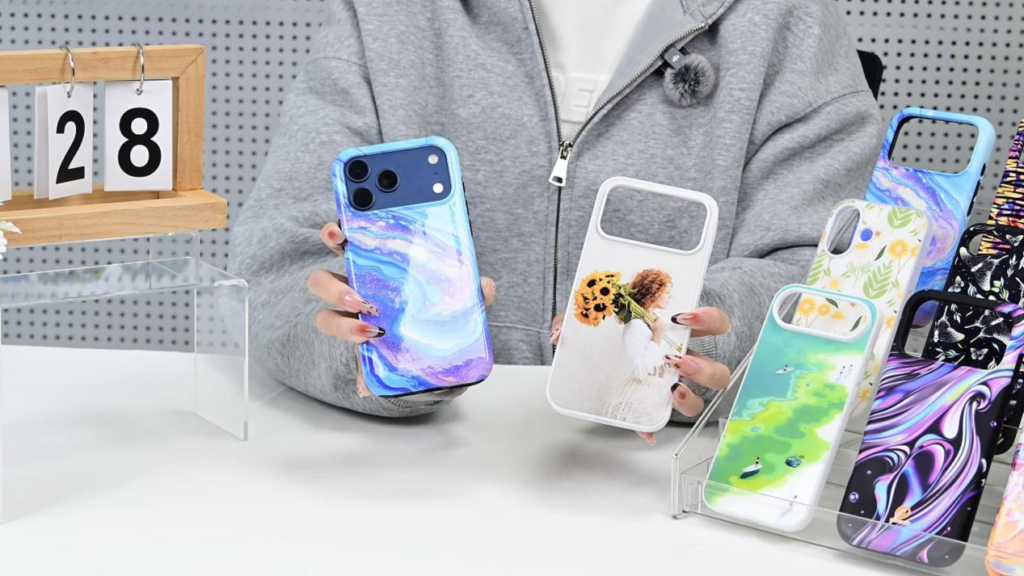
Pay the development fee to have your exact designs printed or molded. For printed cases, evaluate color accuracy, ink adhesion (scratch test), and alignment around camera bumps.
3.Perform Stress Tests:Quality Control
Put the samples through real-world scenarios. Flex the edges to check for cracking, drop them from counter heights, scratch them with keys, and test clear cases under prolonged UV light to check their anti-yellowing resilience.
Conclusion: Building a Long-Term Strategic Partnership
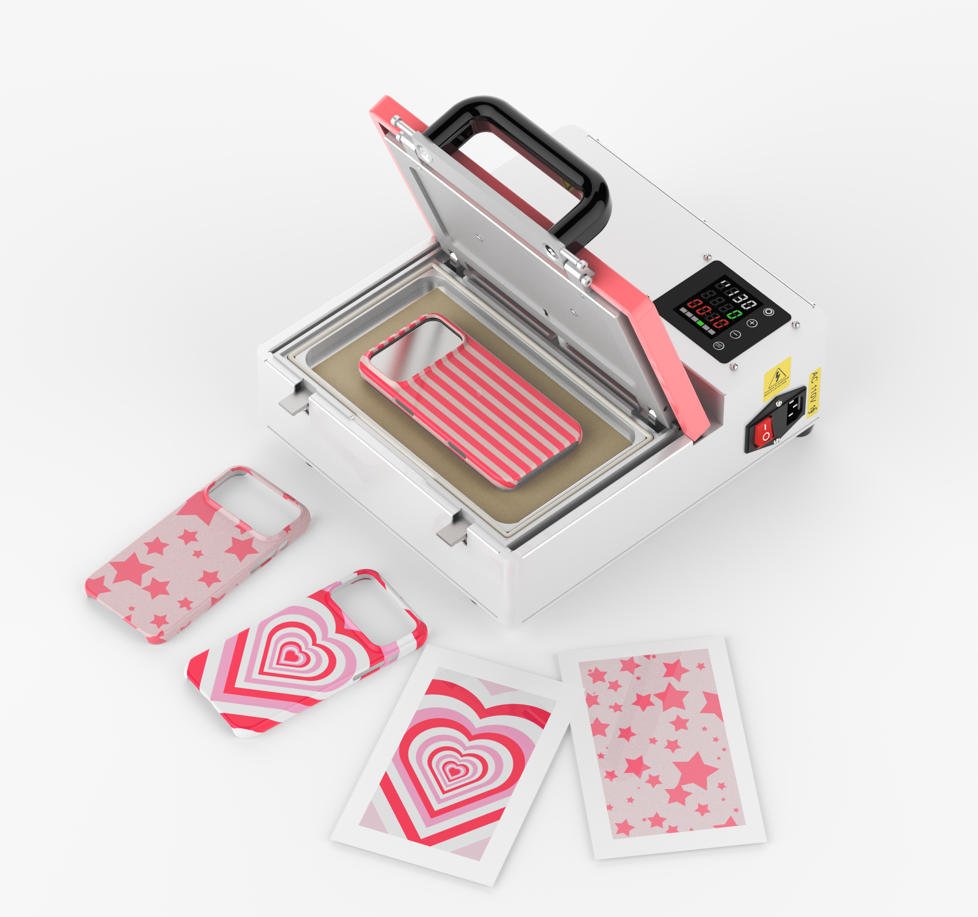
Finding a trusted custom brand phone case manufacturer in China isn’t an overnight task. It requires diligence, rigorous vetting, and structured quality control. However, by taking the time to separate factory-direct producers from standard middlemen and executing a strict sampling protocol, you protect your brand from costly supply chain disruptions.As an industry-leading manufacturer specializing in advanced digital sublimation technology, Prosub is engineered to be the exact partner your brand needs. By controlling the entire manufacturing process from our advanced facilities in Dongguan, we eliminate the middleman completely. We specialize in cutting-edge 3D sublimation film technology that achieves flawless, wrinkle-free transfers ensuring your custom cases achieve a premium, retail-ready 360-degree wrap that stands out in a crowded market.Furthermore, our state-of-the-art micro-porous ink-receptive coatings guarantee photo-realistic color vibrancy, while our sub-surface molecular fusion process ensures that your designs remain completely scratch-resistant and durable under daily wear and tear. Whether you are running a flexible Print-on-Demand (POD) setup or launching large-scale retail campaigns, Prosub provides unmatched consistency and comprehensive logistics solutions to optimize your total landed costs.Treat your chosen manufacturer not just as a transactional vendor, but as a long-term strategic partner.