Introduction
Imagine trying to customize a curved phone case, a stainless-steel tumbler, or even a motorcycle helmet. Unlike flat surfaces, curved and irregular shapes pose a unique challenge: how do you achieve vibrant colors, sharp details, and long-lasting durability without distortion or peeling? As demand for personalized products continues to grow, especially in consumer electronics, promotional gifts, and lifestyle accessories, choosing the right printing method has become increasingly important.
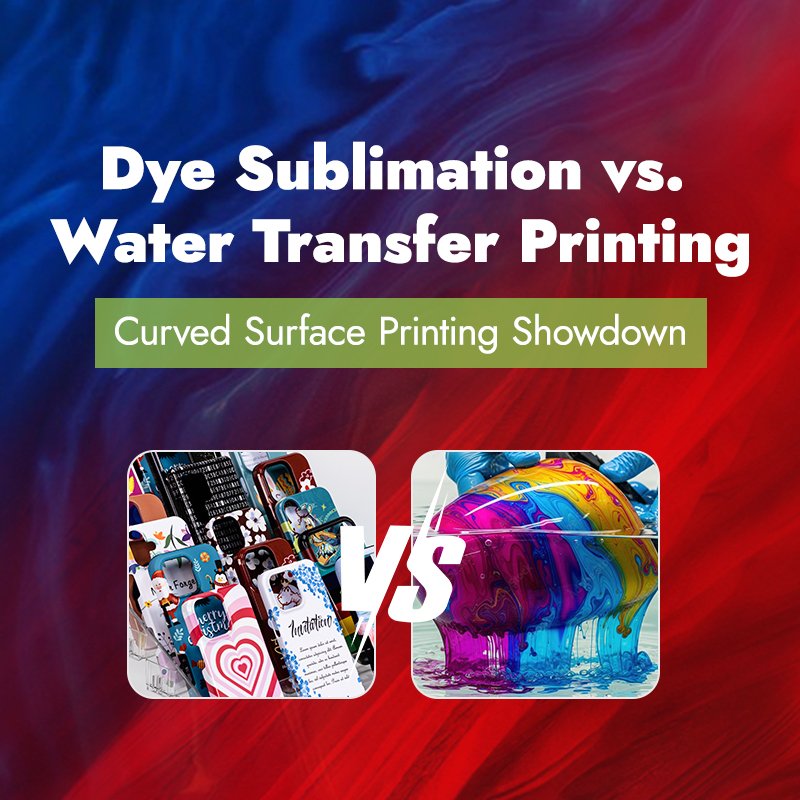
Two popular solutions dominate this space: dye sublimation transfer, a heat-driven process where ink becomes gas and bonds with the material, and water transfer printing, also known as hydro dipping, which uses water-soluble films to wrap designs around three-dimensional objects. Each method has distinct strengths and limitations.
This comparison matters for hobbyists, small studios, and manufacturers alike. The right choice can significantly affect product quality, production efficiency, and long-term costs. Drawing on real-world applications and industry practices—including examples commonly seen in the sublimation supply chain, such as those offered by Prosub—this article provides a clear, side-by-side analysis to help you decide which technology best suits your curved-surface printing needs.
Understanding Dye Sublimation Printing
What Is Dye Sublimation?
Dye sublimation is a digital printing process that uses special inks designed to transform from solid to gas under high heat. When heated—typically between 130-140°C—the ink penetrates the surface coating of a compatible substrate and permanently bonds at a molecular level. Instead of sitting on top of the material, the image becomes part of it.
How It Works on Curved Surfaces
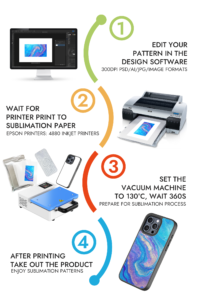
For curved items, even heat and pressure are essential. This is commonly achieved using sublimation vacuum machines, which remove air and ensure the transfer paper or film conforms tightly to the object’s shape. This method allows consistent image transfer on items such as phone cases, kneed pads, and curved panels without ghosting or uneven color.
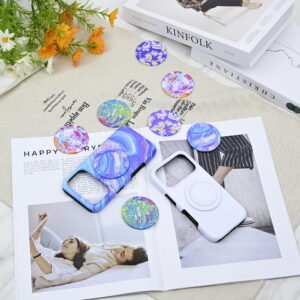
If you’re setting up a dye sublimation transfer system, you’ll need a core set of equipment and materials: sublimation inks paired with a compatible inkjet printer, transfer paper or sublimation film, high-quality coated blanks (like phone cases, airpods cases, and tech accessories), and a vacuum sublimation machine.
For those focusing on curved surface projects,we offer turnkey solutions that include both purpose-built vacuum equipment to ensure consistent, high-quality transfers and pre-tested sublimation blanks designed to deliver reliable results every time. The benefits of dye sublimation are hard to ignore: it produces stunning, photorealistic prints with vibrant, long-lasting colors that won’t crack, peel, or fade, and because the dye fuses at a molecular level, the finish is smooth, tactile, and indistinguishable from the material itself—perfect for small-batch runs, custom one-off designs, and eco-conscious creators who appreciate its water-based, more sustainable inks.
Understanding Water Transfer Printing(hydro dipping)
What Is Water Transfer Printing?
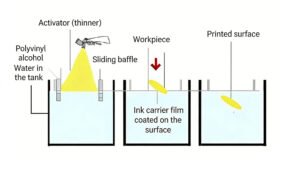
Water transfer printing is an immersion-based process where a printed PVA (polyvinyl alcohol) film floats on the surface of water. After spraying an activator to dissolve the film, the object is dipped through the pattern, allowing the ink to wrap around the surface. A clear protective topcoat is then applied to seal the design.
How It Works on Curved Surfaces
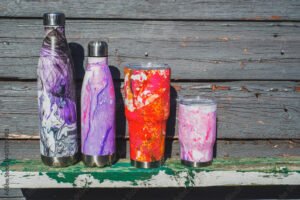
Water transfer printing excels at covering complex, highly irregular 3D shapes. As the object passes through the floating film, the design stretches and conforms naturally, making it suitable for items with deep curves, recesses, and angles—such as helmets, automotive parts, and sporting equipment.
If you’re setting up a water transfer printing system, the core equipment and materials you’ll need include printed PVA hydrographic films, activator chemicals, dipping tanks or water containers, rinse stations, and a clear coating system.
A key advantage over dye sublimation is that hydro dipping does not require specially coated blanks, making it compatible with a wide range of materials including plastics, metals, and wood. This method truly shines when working with complex and irregular shapes, delivering seamless, all-over coverage for popular patterns like camouflage, carbon fiber, and wood grain. It also offers broad material compatibility, relatively lower setup costs for basic systems, and is cost-effective for large or batch production.
However, it’s important to consider its trade-offs: hydro dipping typically has lower precision for detailed or photorealistic designs, carries a risk of bubbles, stretching, or misalignment during the dipping process, requires post-processing with a clear coating to ensure durability, and involves handling chemicals and water, which adds operational complexity.
Dye Sublimation vs. Water transfer printing: Key Differences
There are significant differences in core application characteristics between dye sublimation transfer and water transfer printing. Here is a detailed comparison to help you choose the right printing method for your project:
When it comes to print precision, dye sublimation printing can achieve high-definition output with bright and vivid colors, accurately reproducing photo-level image details. Water transfer printing is better for presenting texture and pattern designs, but its ability to display fine images is relatively limited.
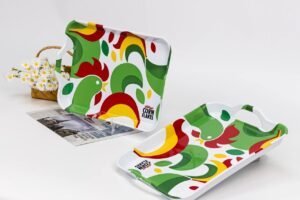
Regarding finished product durability, the patterns created by dye sublimation printing form a molecular fusion with the material, resulting in extremely high durability. In contrast, Water transfer printed products must undergo a clear coating protection process; otherwise, they are prone to wear and tear.
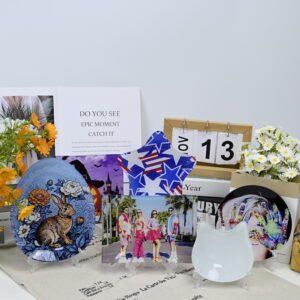
In terms of setup and cost, dye sublimation only needs an entry-level 3D vacuum machine, matched with an Epson printer and a computer for small-scale operations. It features a small footprint, on-demand printing with no plate-making fees, thus cutting factory rental and consumable costs. By contrast, water transfer printing requires an entry-level water transfer tank, spray gun and drying oven, or a spraying line plus drying room for small-scale production. It takes up a larger space and leads to higher factory rental costs.
When considering operation difficulty, dye sublimation printing has strict requirements on the control precision of temperature and pressure. Water transfer printing has stronger adaptability to product shapes, but the overall operation process is relatively cumbersome.
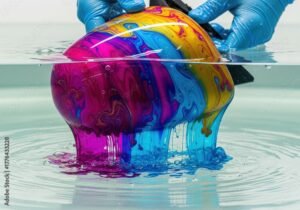
In terms of environmental factors, the production process of dye sublimation printing generates less waste, and most of the inks used are eco-friendly water-based inks. Water transfer printing involves activator preparation and spray painting processes, which result in more chemical material consumption.
Tips for Getting Started with Dye Sublimation & Water Transfer Printing
Getting Started with Dye Sublimation: Key Tips
If you’re new to dye sublimation transfer, focusing on foundational elements will help you avoid common pitfalls and achieve consistent results. First, start with high-quality, reliable blanks and properly formulated coatings—this is critical for preventing color inconsistency and ensuring strong dye adhesion. Second, invest in proper vacuum or curved-surface sublimation equipment, as stable temperature and pressure control are essential for smooth transfers on curved or 3D items. Finally, partner with experienced suppliers who not only provide quality materials but also offer technical support and OEM/ODM services, which can streamline your production process as you scale.
Getting Started with Water Transfer Printing: Essential Guidelines
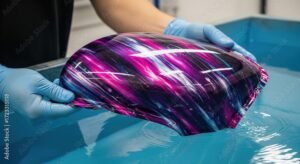
For beginners entering the world of water transfer printing, a gradual learning approach is key. Begin with basic DIY kits to familiarize yourself with how PVA films behave on water, how activators interact with the film, and the fundamentals of the dipping process. Safety should be a top priority: pay close attention to proper ventilation when handling activators (which are chemical-based) and wear appropriate protective gear. Additionally, dedicate time to practicing dipping techniques—consistent hand movement and timing are crucial for reducing defects like bubbles, stretching, or misalignment of the pattern.
Conclusion: Choosing the Right Printing Process for Personalization Market
To sum up, dye sublimation printing holds obvious advantages in terms of printing effect and cost efficiency, while water transfer printing is irreplaceable for its flexibility in handling special-shaped consumables and unique materials. As a professional dye sublimation consumables supplier, we provide an integrated solution including environmentally compliant dye sublimation inks, sublimation films, and finished consumables, paired with sublimation vacuum machines, to help you turn personalized ideas into reality. In the competitive personalized market, only by selecting the right printing process and matching high-quality consumables can you gain a firm foothold.