Introduction
In today’s market centered on personalized consumer goods, garments and home textiles featuring vivid, intricate, long-wearing prints can instantly boost brand image and elevate customer experience—and sublimation textile products are the ideal solution to achieve this. Powered by advanced dye sublimation technology, patterns are not merely printed on the fabric surface; they fuse deep into textile fibers at a molecular level, resulting in prints that never fade, crack or peel off.
Whether you run a sportswear brand, operate an e-commerce store, supply promotional merchandise, or work as a designer crafting custom goods, this all-in-one guide breaks down the core principles, standout benefits, mainstream product lines, full production workflow and professional sourcing tips for sublimation textiles.
What Is Textile Sublimation Transfer Printing?
Dye sublimation is a specialized digital heat transfer printing technique. Its core mechanism works as follows: under high temperature and pressure, solid sublimation ink converts directly into gas via sublimation, then chemically bonds with polyester fiber molecules. Once cooled, the ink solidifies permanently inside the fabric structure for ultra-durable prints.
Comparison Between Sublimation and Traditional Printing Methods
Screen Printing
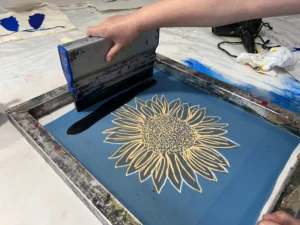
Ink is stacked onto the fabric surface to form a thick coating. While it delivers bold solid colors for simple graphics, the printed layer tends to crack and fade after repeated washes, leaving a stiff, plastic-like hand feel. It is also incompatible with stretch fabrics and close-fitting apparel.
Heat Transfer Vinyl (HTV)
Adhesive vinyl sheets are heat-pressed onto textiles. Though affordable and easy to operate, the vinyl edges will lift or peel over time, especially when stretched or frequently laundered. It also blocks fabric breathability and ruins the original soft texture of textiles.
Sublimation Transfer Printing
Sublimation ink vaporizes and permeates fiber interiors to form permanent molecular bonds. Its biggest highlight is a zero-touch print effect: the printed area retains the fabric’s original softness and breathability without stifling sweat. It renders rich, true-to-life colors that stay vibrant even after hundreds of washes and prolonged sun exposure. This technique shines for full all-over prints, seamless color gradients and intricate photo-realistic artwork.
Core Advantages of Sublimation Textile Products
Sourcing sublimation textiles brings you unrivaled competitive edges:
- Outstanding Color Performance: Unlimited color options, seamless gradients and crisp, photo-realistic detailing with sharp graphic edges.
- Exceptional Longevity: Inks embedded within fibers resist fading from repeated washing, UV exposure and stretching.
- Ultra-Soft Wear Comfort: No raised printed layers; fabrics maintain natural softness and air permeability, perfectly suited for wearable apparel.
- Sustainable Production Choices: Recycled polyester fabric options and low-waste printing processes are available.
- Fully Customizable Solutions: Flexible order volumes supported by comprehensive OEM & ODM services.
- Cost-Effective Mass Production: Economical for bulk orders, ideal for wholesale partners and brand product lines.
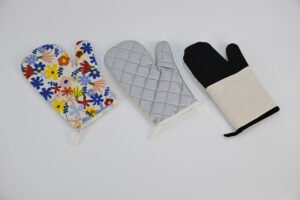
Reputable manufacturers like Prosub implement rigorous quality control systems and hold globally recognized certifications including ISO 9001 and BSCI, guaranteeing stable, premium finished goods across all batches.
Step-by-Step Sublimation Production Workflow
Premium sublimation textile manufacturing follows a standardized five-stage process:
- Design Preparation
Create high-resolution artwork (300 DPI recommended) via Adobe Illustrator, Photoshop or equivalent design software, with proper bleed margins and calibrated color profiles. - Sublimation Paper Printing
Print finalized designs onto dedicated sublimation transfer paper using professional sublimation inks and printers. - Heat Press Transfer
Align the printed paper precisely on fabric, then heat press at 180–190°C under medium pressure for 60–90 seconds. - Cooling & Finishing
Let the fabric cool completely before peeling off the transfer paper—your design is permanently infused into the textile.
Professional Production Tips
- Produce pre-production samples before launching bulk manufacturing.
- Pre-shrink all fabrics in advance to avoid dimensional deviation post-printing.
Best Fabrics & Materials for Sublimation Printing
Sublimation relies on polyester’s unique molecular structure to form stable chemical bonds with sublimation dyes, so polyester-based textiles are mandatory for optimal printing results.
Recommended Fabric Weights & Blends
- Lightweight (120–180 GSM): T-shirts, sports jerseys, flags – superior breathability for everyday wear.
- Medium to Heavyweight (200–280 GSM): Hoodies, pillows, canvasbags – enhanced structural integrity and durability.
- Polyester-Spandex Blends: Built-in stretch and recovery, perfect for activewear such as leggings.
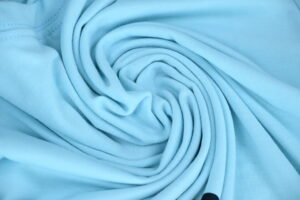
Fabrics to Avoid
100% cotton, low-polyester blends and dark base fabrics—these lead to dull, easily washed-out prints.
All blank textile series from Prosub are engineered and pre-treated exclusively for sublimation printing to deliver consistent, flawless transfer effects.
Popular Sublimation Textile Product Range
Prosub supplies a full spectrum of sublimation-ready textile blanks across three core categories:
Apparel
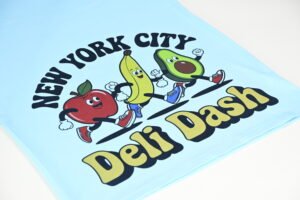
Sublimation T-shirts, hoodies, sports jerseys and knit sweaters
Accessories
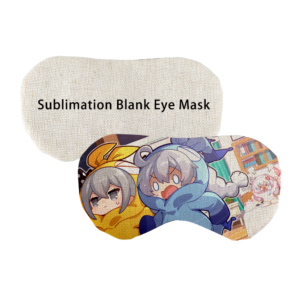
Caps, scarves, gloves, handbags and eye masks
Home & Promotional Goods
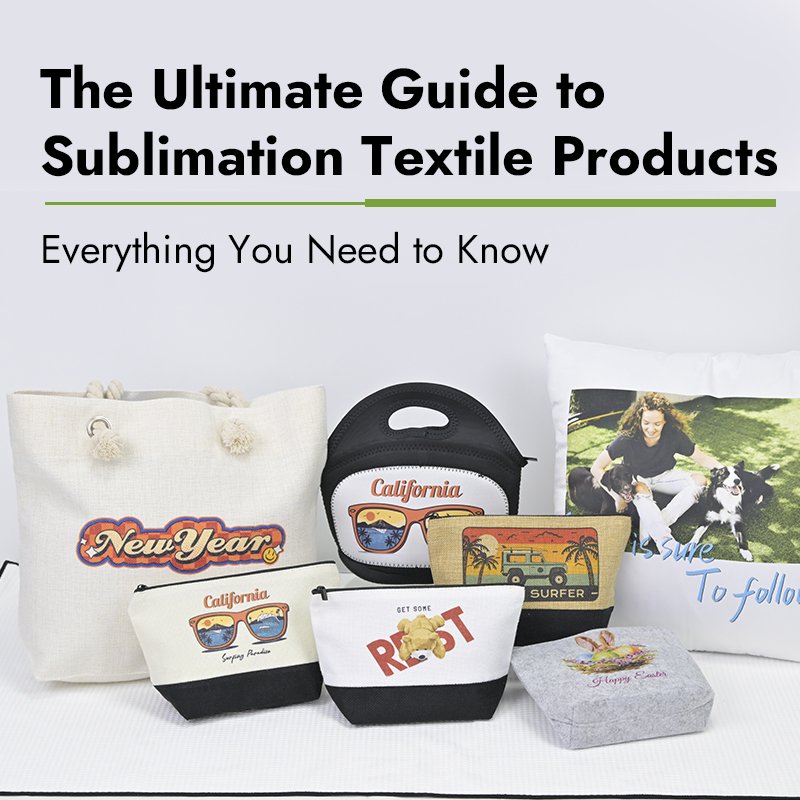
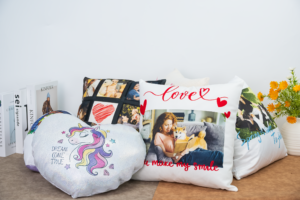
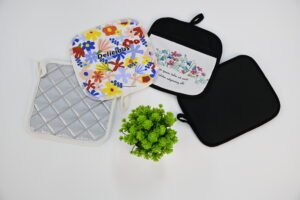
Decorative throw pillows, canvas tote bags and heat-resistant pot holders
These blank products cater to custom team uniforms, fashion collections, corporate promotional merchandise and personalized home décor. Our full all-over sublimation printing capability unlocks unlimited creative design possibilities.
Design & Manufacturing Best Practices
Design Guidelines
Embrace bold gradients and large-format patterns; avoid ultra-fine thin lines, which risk blurring during heat pressing.
Production Modes
Cut-and-sew manufacturing delivers precise full all-over prints; direct garment sublimation works well for simpler graphic designs.
Quality Assurance Standard
Test every production batch for wash durability—qualified products retain clear prints after over 30 wash cycles with minimal color fading.
Flexible Order Scaling
Partner with seasoned manufacturers to ease minimum order quantity (MOQ) constraints. Prosub accommodates flexible order sizes with fast turnaround times.
Common Production Challenges & Troubleshooting Solutions
- Color Deviation: Calibrate printing equipment and apply standardized ICC color profiles.
- Ghosting & Pattern Shifting: Secure transfer paper with heat-resistant tape and lay fabric completely flat during pressing.
- Batch-to-Batch Inconsistency: Collaborate with suppliers equipped with robust quality assurance and systematic inventory management systems.
Why Choose Prosub?
With over 15 years of industry expertise, Prosub has earned a solid reputation as a trustworthy wholesale sublimation blank manufacturer. Our core competitive strengths are as follows:
- Massive ready-to-ship inventory of sublimation textile blanks
- End-to-end fully customized OEM & ODM services
- Advanced automated production machinery paired with an in-house professional R&D team
- Rigorous multi-stage quality inspections and globally recognized international certifications
- Smart intelligent warehousing system plus round-the-clock responsive customer support
Whether you require small trial sample orders or full-scale mass production, Prosub consistently delivers stable product quality, uniform batch consistency and highly competitive wholesale pricing for all partners.