


Introduction
Imagine a custom mug with crisp, vivid graphics that stays bright after hundreds of washes, or a phone case whose design feels seamless—like it’s part of the product itself. That’s the magic of sublimation transfer printing, a digital printing technology that’s reshaping the customization industry.
Sublimation transfer works by turning special dyes into gas under heat, which then fuses permanently with polymer-coated materials. What once was limited to industrial-scale production has now become a game-changer for small retailers, online sellers, and global wholesalers alike—enabling faster custom production, lower costs, and consistent quality.
This guide covers every critical aspect of sublimation: from its core process and unique advantages to practical challenges, essential equipment, market applications, and future trends. Whether you run a print shop, sell custom goods online, or supply sublimation blanks, you’ll find actionable insights to master the craft and grow your business.

What is Sublimation Transfer ?
Sublimation transfer is a digital printing technology that uses heat and pressure to embed dye directly into the surface of a material — not just on top of it.
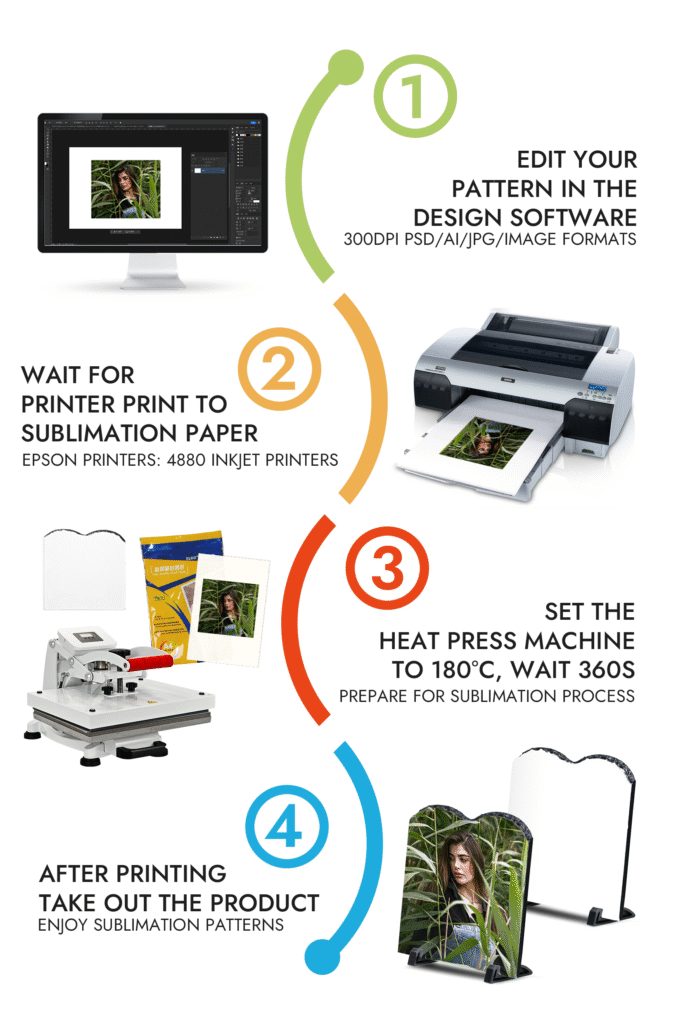
How it Works:
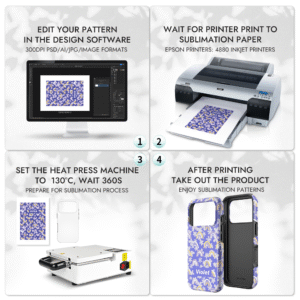
Design Creation – Create artwork using Photoshop, Canva, or RIP software.
Printing – Print your design onto sublimation paper using sublimation ink.
Sublimation Transfer – Use a sublimation machine (heat press machine or vacuum machine) to transfer the image onto the blank product.
Sublimation Reaction – The ink turns into gas and fuses permanently with the material’s polymer coating.
Key Differences from Other Methods:
Unlike screen printing or vinyl transfer, sublimation becomes part of the product surface — meaning no cracking, peeling, or fading.
Advantages of Sublimation Transfer
For wholesalers and retailers, sublimation transfer offers exceptional business value through flexibility, low risk, and scalability.
1. High-Quality & Durable Prints
Sublimated designs won’t crack or peel — ensuring long-lasting customer satisfaction and fewer returns.
2. Vibrant, Photo-Quality Colors
It produces sharp, full-color graphics ideal for branded merchandise, custom gifts, and promotional items.

3. Wide Range of Products
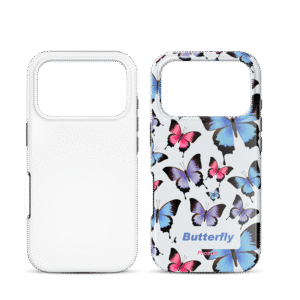
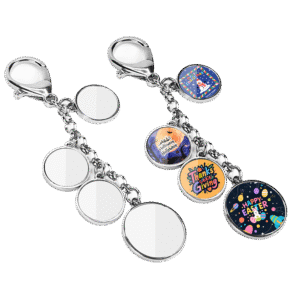
Sublimation works on polyester fabrics and coated hard surfaces, from t-shirts to phone case,tumblers, metal plates, and ornaments — allowing distributors to expand product lines easily.
4. Ideal for Small Batches & Custom Orders
No setup costs or minimum order quantities — perfect for print-on-demand businesses and personalized retail orders.
5. Eco-Friendly & Efficient
Water-based inks and minimal waste make sublimation more sustainable than many traditional methods.
6. Profitable & Scalable
Retailers can start small and scale as demand grows. Wholesalers can offer customizable blanks to attract new B2B clients and online sellers.
Challenges and Limitations
While sublimation offers many benefits, businesses should also consider the following challenges before scaling production:
Material Limitation: Works best on polyester or polymer-coated surfaces. Cotton or dark materials require special coatings.
Color Limitation: No white ink; ideal for light-colored substrates.
Upfront Costs: Professional printers and presses can be expensive initially.
Learning Curve: Incorrect heat/time/pressure can cause ghosting or faded colors
Environmental Sensitivity: Humidity and temperature can affect transfer quality.
Scaling Constraints: For bulk uniform printing, screen printing may still be faster.
Understanding these limitations helps you plan better — especially when choosing equipment, training staff, or setting up a production line.
Essential Materials and Equipment
To build a reliable sublimation business, quality materials and machines are key.
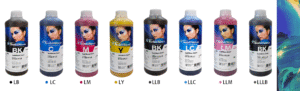
1. Inks
Use genuine sublimation inks (Epson, Sawgrass, SubliNova) for vibrant and long-lasting colors.
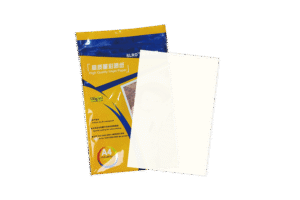
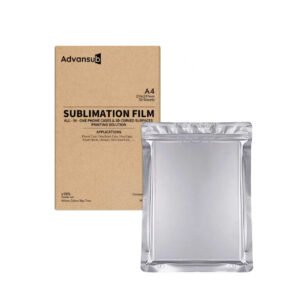
2. Paper Or Film
Choose high-quality sublimation transfer paper like A-Sub or Advansub for better ink absorption and sharp results.
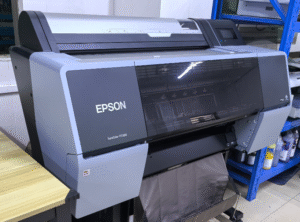
3. Printers
Options range from converted EPSON 7380,EPSON 4880C models for startups to Sawgrass for high-end production.
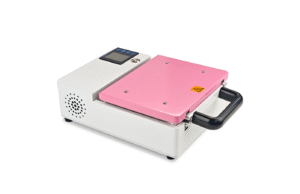
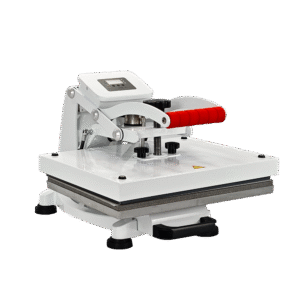
4. Sublimation Machines
Flat, mug,phone case, or multifunction presses — choose based on your product range. Look for accurate temperature control and even pressure.
5. Substrates (Blanks)
Best-selling blanks include:
Apparel: T-Shirts、Performance Jerseys、Baby Onesies、Socks、Pillowcases etc.
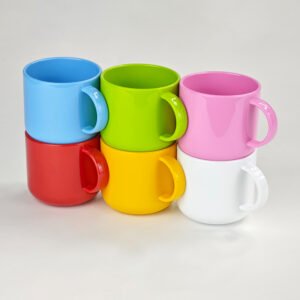
Hard Surface Blanks: Mugs、Tumblers、Phone Case、Aluminum Photo Panels etc.
3D&Irregular Shape Blanks:Ornament、Keychains、Pet Tags、Language Tags etc.
6. Software & Tools
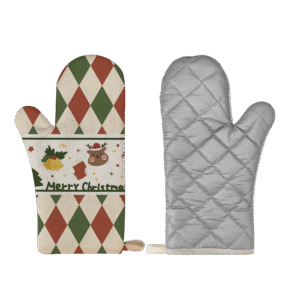
Color management (ICC profiles), heat-resistant tape,heat insulation cloth and heat-resistant gloves.
Applications and Market Opportunities
Sublimation isn’t just for DIYers — it’s a high-growth industry with strong commercial demand.
Top Applications:
Fashion & Apparel: Team uniforms, corporate wear.
Home & Lifestyle: Pillows, blankets, wall art.
Drinkware & Accessories: Mugs, tumblers, phone cases.
Corporate Gifts & Promotional Items: Keychains, mousepads, plaques.
For Wholesalers:
Expand your catalog with blank sublimation products. Offer custom branding or private label options for resellers.
For Retailers:
Capitalize on seasonal and personalized product trends — Christmas ornaments, wedding gifts, and photo items sell year-round.
Getting Started: A Step-by-Step Business Guide
Choose Your Market: Decide whether to sell custom products or blanks.
Set Up Equipment: Start with a reliable printer and sublimation machine.
Test Products: Run small batches to perfect your color and pressing settings.
Build Your Catalog: Offer a mix of apparel, drinkware, and accessories.
Market Online: Use platforms like Etsy, Made in China, or Alibaba. Advanced Business Tips
Color Profiling: Use ICC profiles for consistent color results.
Maintenance: Regularly clean printer heads and check ink flow.
Combine Techniques: Blend sublimation with vinyl or UV printing for premium finishes.
Sourcing: Partner with reliable sublimation blank manufacturers (you can refer to this guide👉:https://www.prosub-sublimation.com/top-10-sublimation-blanks-manufacturers-suppliers-2025/) for stable supply and OEM support.
Pricing Strategy: Calculate based on cost-per-print, time, and labor.
Future Trends
The sublimation industry continues to evolve rapidly:
Eco-friendly inks and recyclable blanks are gaining attention.
Cotton-compatible coatings expand fabric options.
AI-powered design tools simplify personalization.
Global custom merchandise market expected to exceed $45B by 2030.
Wholesalers and retailers who adopt new technologies early can stay ahead of market demand.
Conclusion
Sublimation transfer printing is a powerful tool for businesses looking to capitalize on customization trends. Its combination of durability, versatility, and profitability makes it ideal for wholesalers, retailers, and print-on-demand sellers alike.
While it requires upfront investment and a bit of practice, the long-term benefits—from product diversity to customer loyalty—far outweigh the challenges. Start small, test rigorously, and partner with reliable suppliers to build a sustainable sublimation business.
Creativity is the heart of sublimation—every print is a chance to turn a blank product into something unique, and every unique product is a chance to grow your bottom line.
FAQ:
Q1: What are the current market trends for sublimation printing?
A1:Growing trends include eco-friendly materials, custom lifestyle products, and AI-driven personalization tools. The demand for sustainable, custom-made merchandise continues to rise worldwide.
Q2: What are the best-selling sublimation blanks?
A2: Phone Cases,Mugs,Tumblers, Keychains, Ornaments,Rock Slate,Tote Bag,T-shirt
Q3: How long do sublimated prints last?
A3: Years without fading or cracking under normal use.
Q4: Is sublimation profitable for small businesses?
A4: Yes — low production cost and high customization value make it ideal.
Q5: Where can I source quality blanks?
A5: From specialized suppliers like Dongguan Prosub, offering OEM and wholesale customization services.

